
Make soft and fluffy ragi idli without rice using ragi, urad dal, chana dal, and poha. A healthy, gluten-free breakfast recipe rich in fiber and protein.
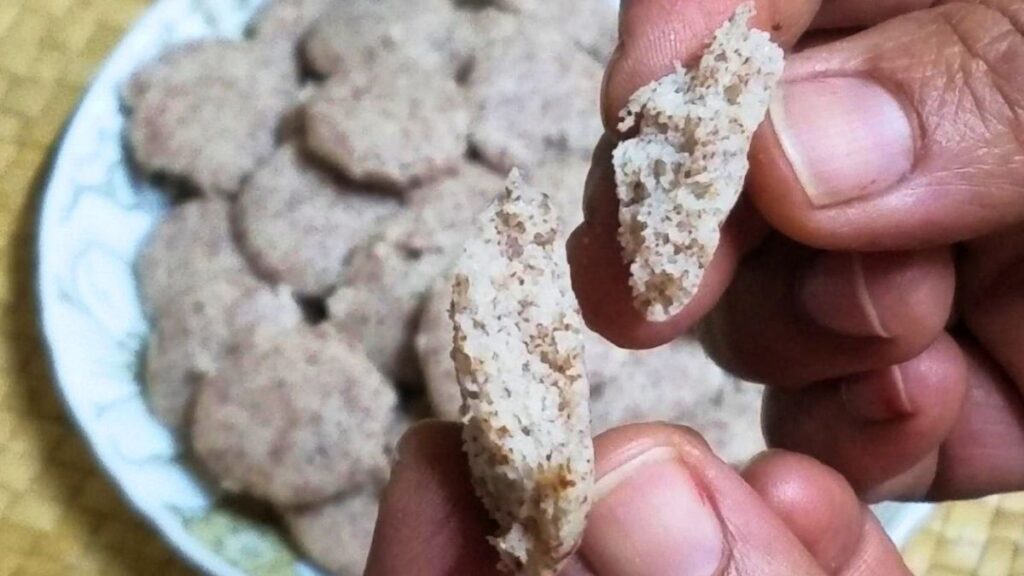
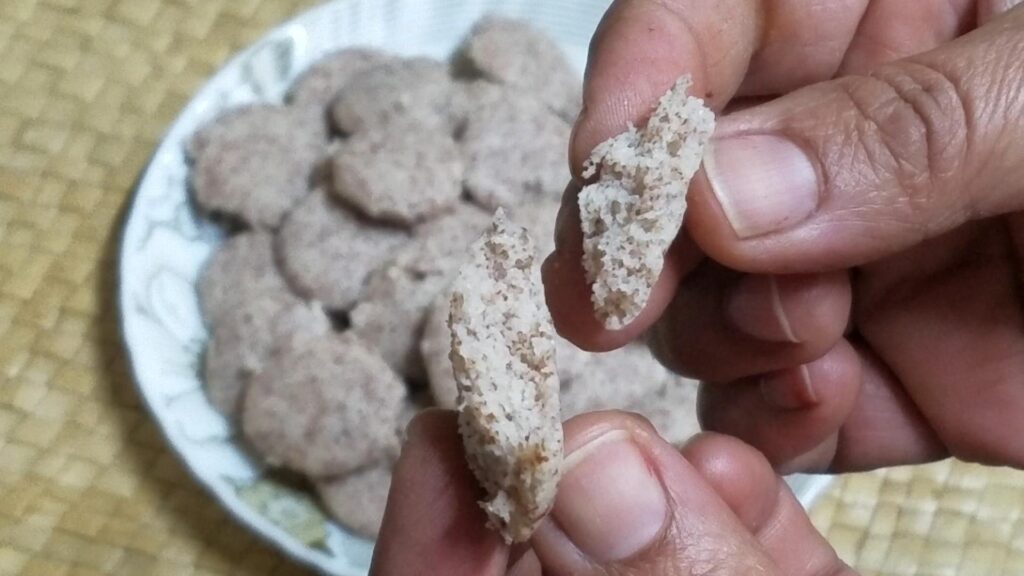
Looking for a healthy, nutritious, and rice-free breakfast? This Ragi Idli Recipe is soft, fluffy, naturally fermented, and made without rice. Prepared with ragi, urad dal, chana dal, methi dana, and red poha, these idlis are rich in fiber, protein, calcium, and essential nutrients. Know more about ragi (Finger millet) click here
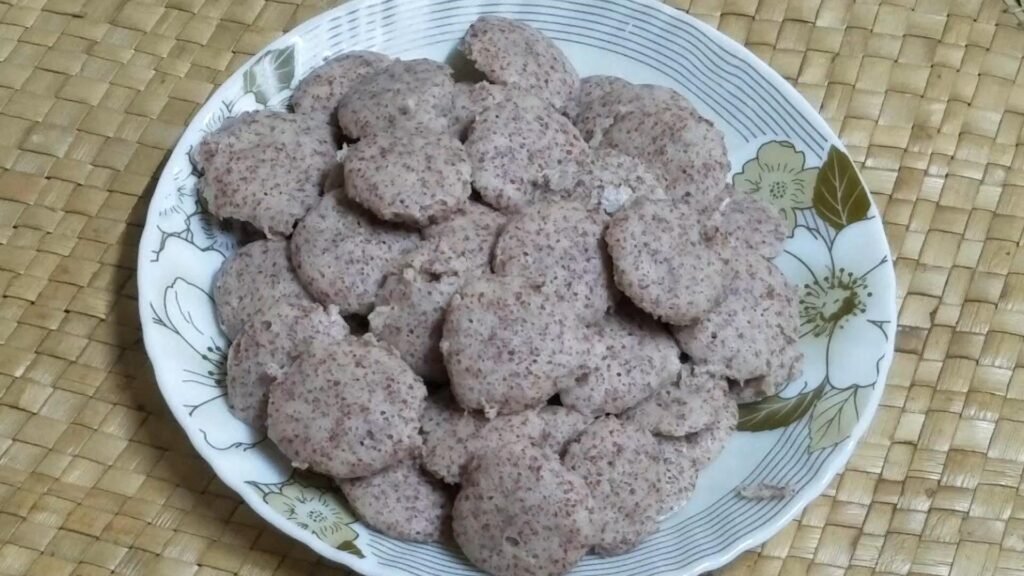
Perfect for breakfast, lunch boxes, diabetics, and weight management diets, these homemade ragi idlis pair beautifully with sambhar and coconut chutney.
My Latest Video
Why You’ll Love This Recipe
- Made without rice
- Rich in fiber and protein
- Naturally fermented
- Soft and fluffy texture
- Gluten-free breakfast option
- Easy to prepare at home
- Great for diabetics and weight-conscious individuals
You may also like my other ragi millet recipes
Ragi Nachos, Ragi Oats Cookies, ragi almond cookies
Ingredient Details
Ragi (Finger Millet)
Ragi is rich in calcium, dietary fiber, iron, and antioxidants. It helps keep you full for longer and supports healthy digestion.
Whole Urad Dal
Urad dal provides protein and helps create a soft and fluffy texture after fermentation.
Chana Dal
Chana dal adds protein, nutrition, and a mild nutty flavor to the idlis.
Methi Dana
Fenugreek seeds help improve fermentation and contribute to softer idlis.
Red Poha
Red poha makes the idlis softer and lighter while adding extra nutrients and fiber.
Salt
Enhances flavor and balances the taste of the fermented batter.
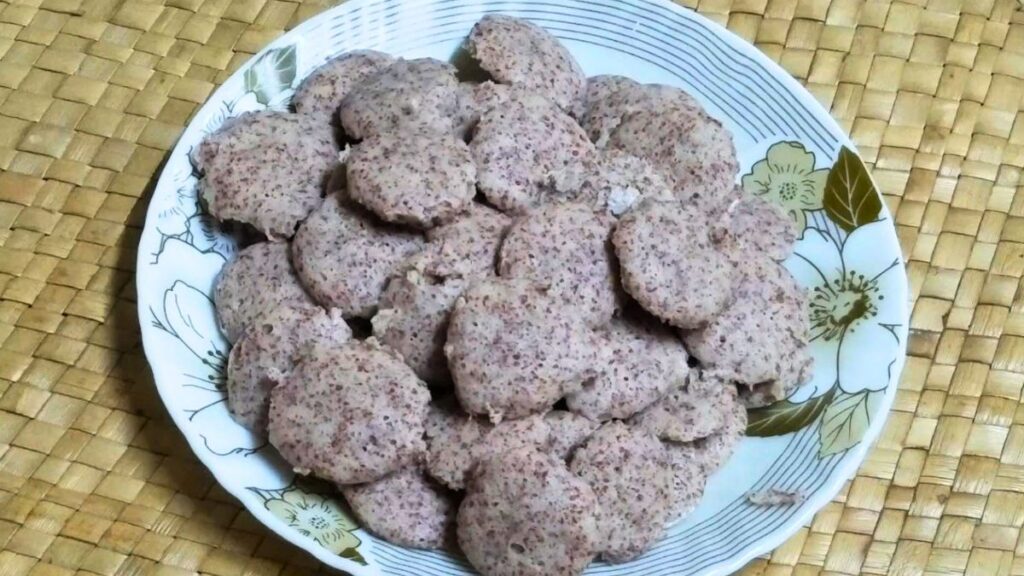
How to Make Ragi Idli without Rice
Soak the Ingredients
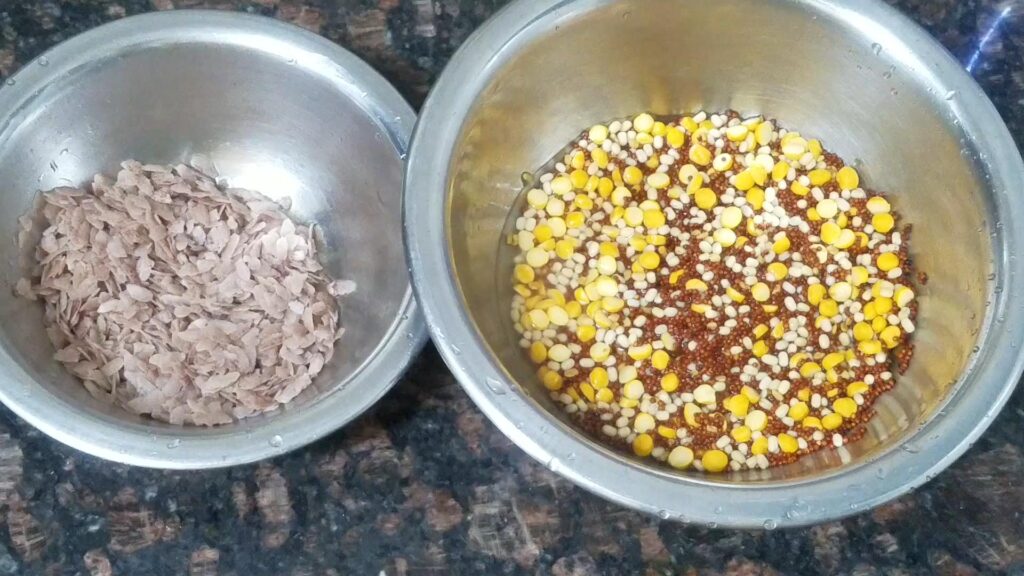
In a bowl, combine:
- Ragi
- Whole urad dal
- Chana dal
- Methi dana
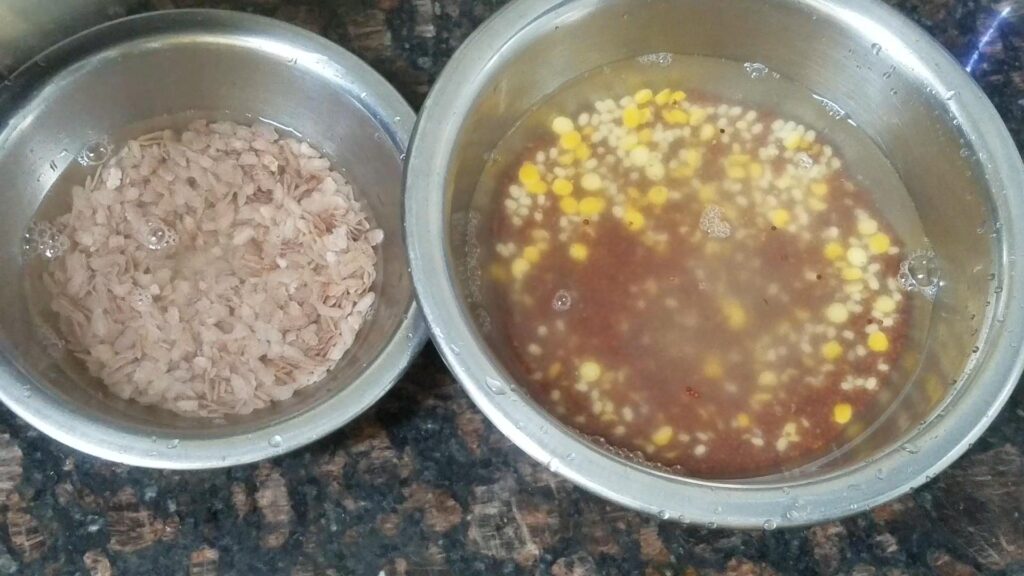
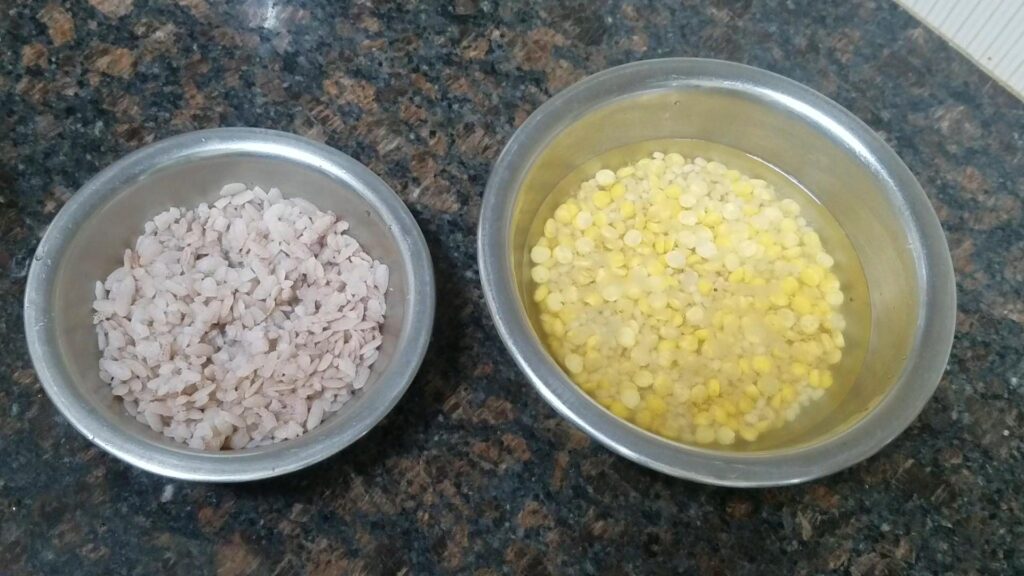
Wash thoroughly 2-3 times. In another bowl, wash the red poha. Add enough water to both bowls and soak for 4-5 hours.
Prepare the Batter
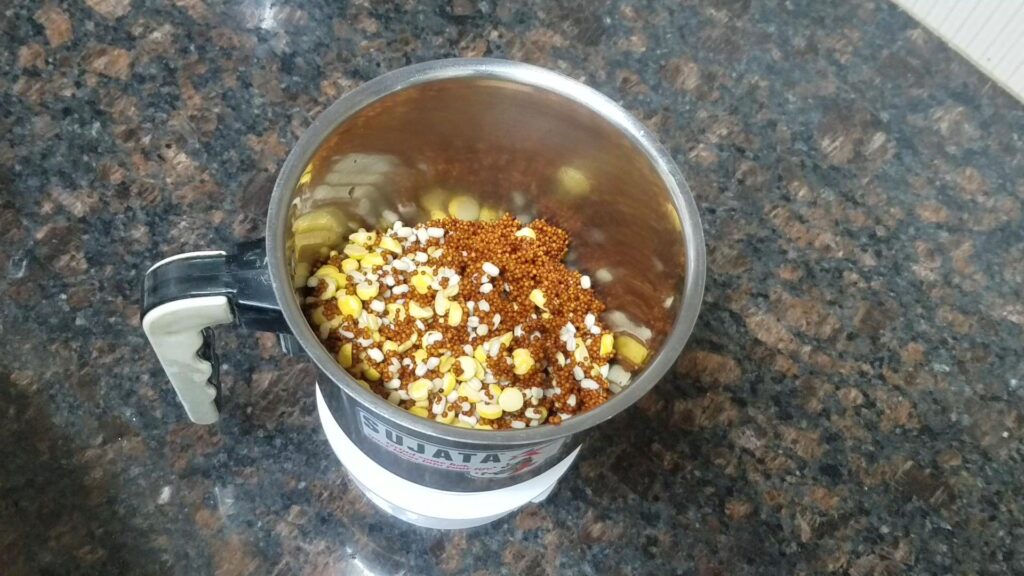
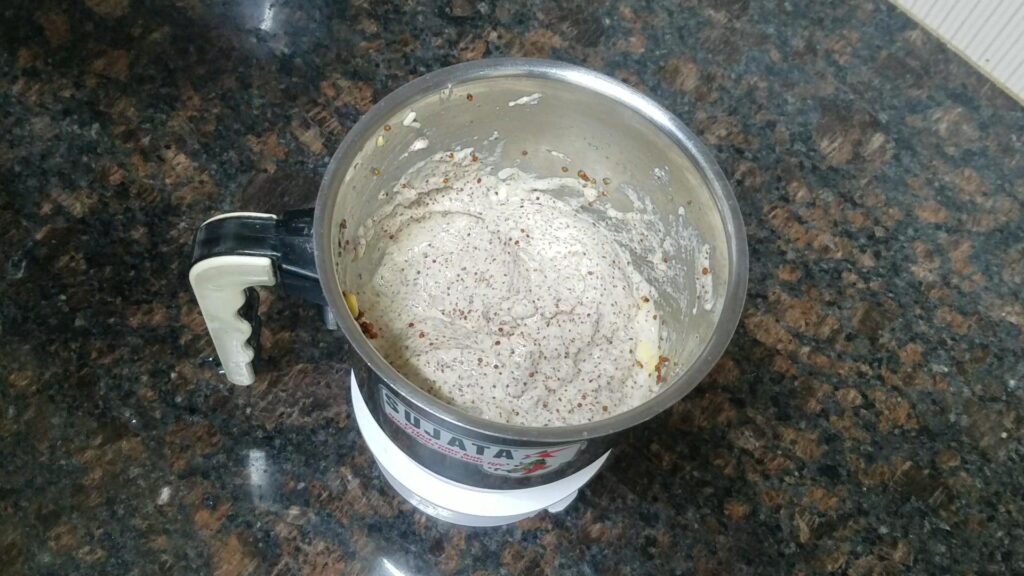
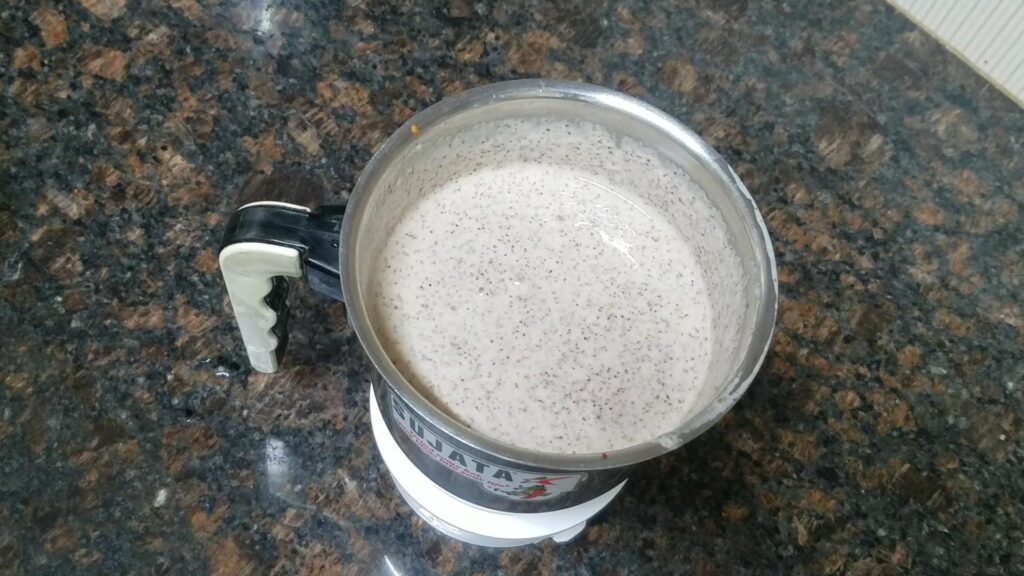
Drain the soaked ingredients. Transfer the ragi and dal mixture to a blender jar and grind into a smooth paste.
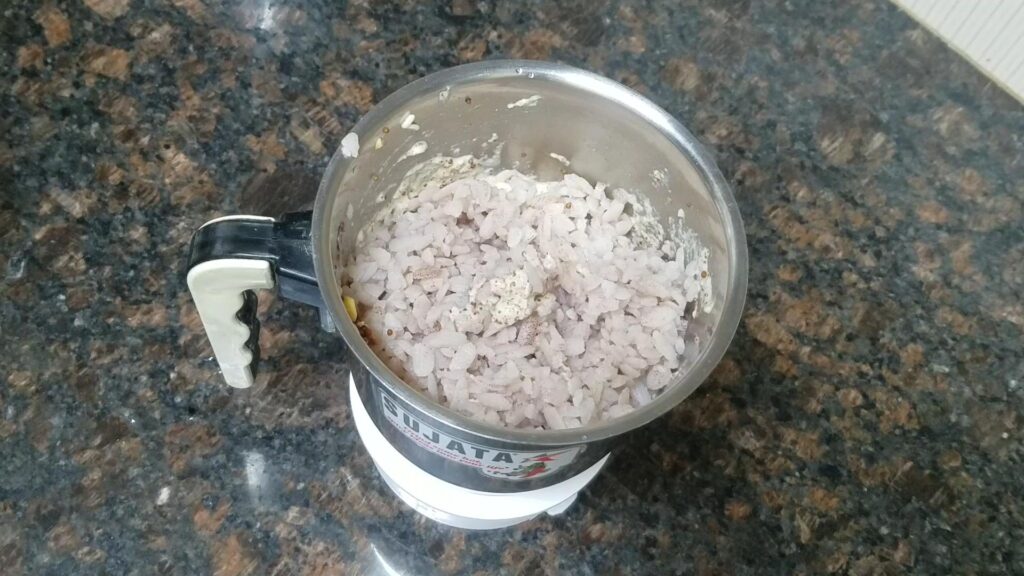
Add soaked red poha and a little water if needed. Blend again until a smooth batter is formed.
Whisk the Batter
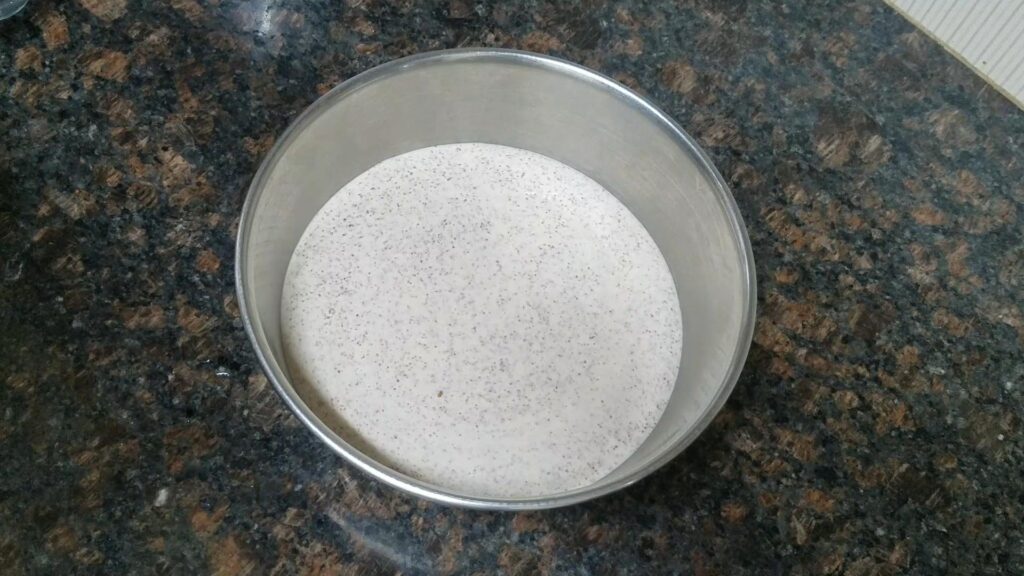
Transfer the batter to a large bowl. Whisk for 4-5 minutes until slightly light and airy.
The batter should have a medium consistency—not too thick and not too thin.
Ferment
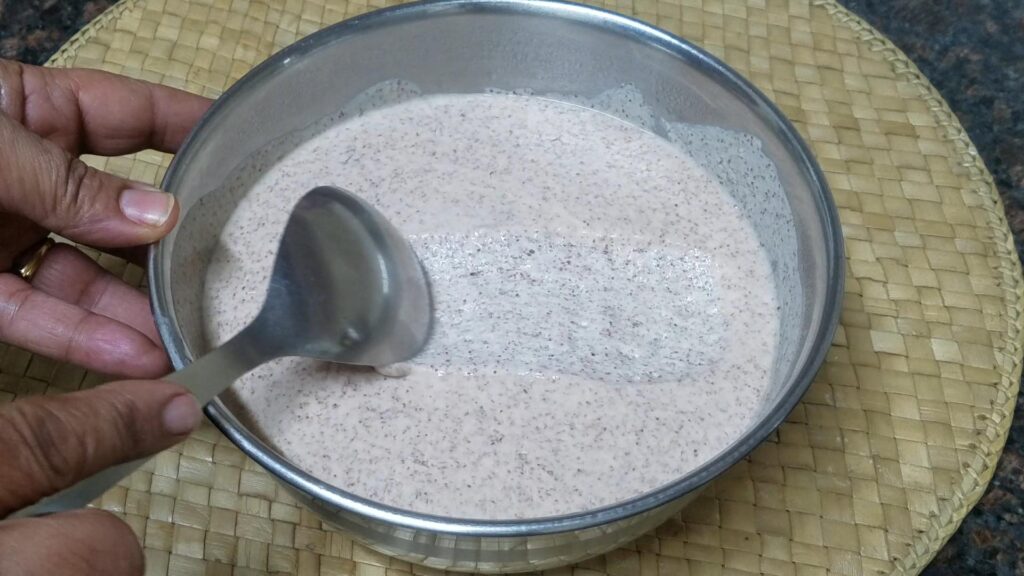
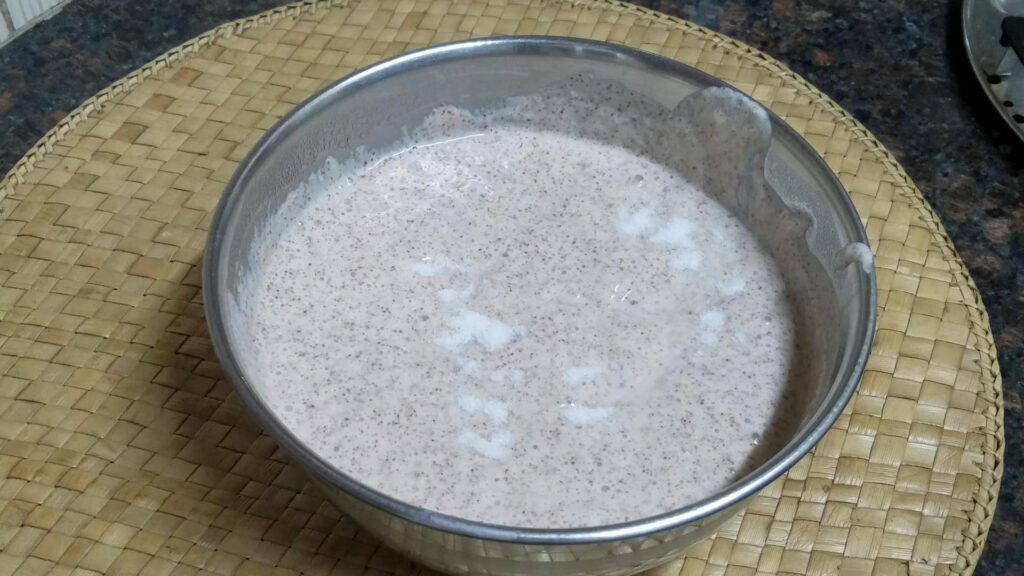
Cover the bowl and keep it in a warm place for 8-10 hours or overnight. The batter will rise slightly after fermentation.
Prepare the Idlis
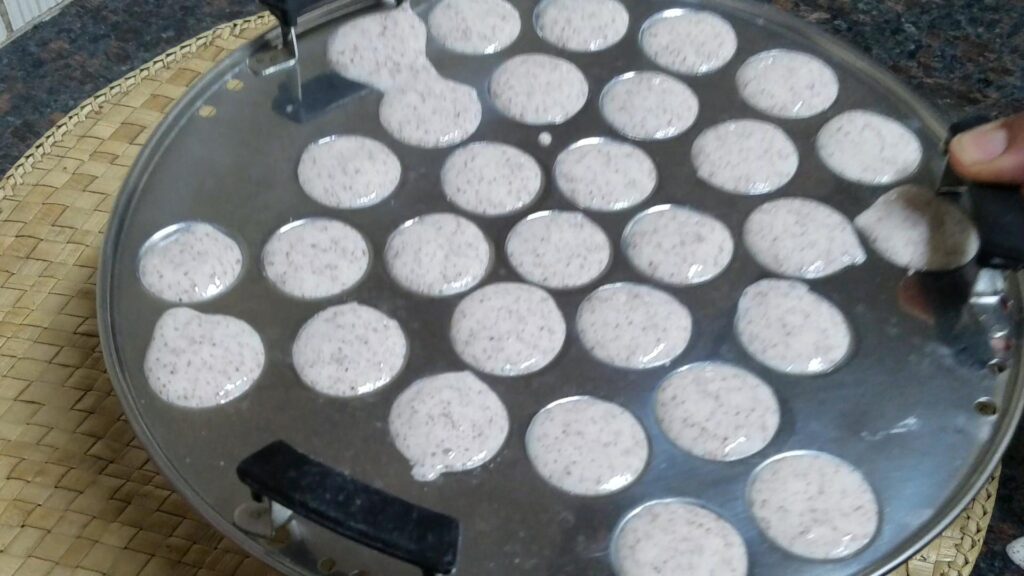
Mix the fermented batter gently. Add salt and mix well. Grease the idli moulds with a little oil.
Pour the batter into the moulds.
Steam
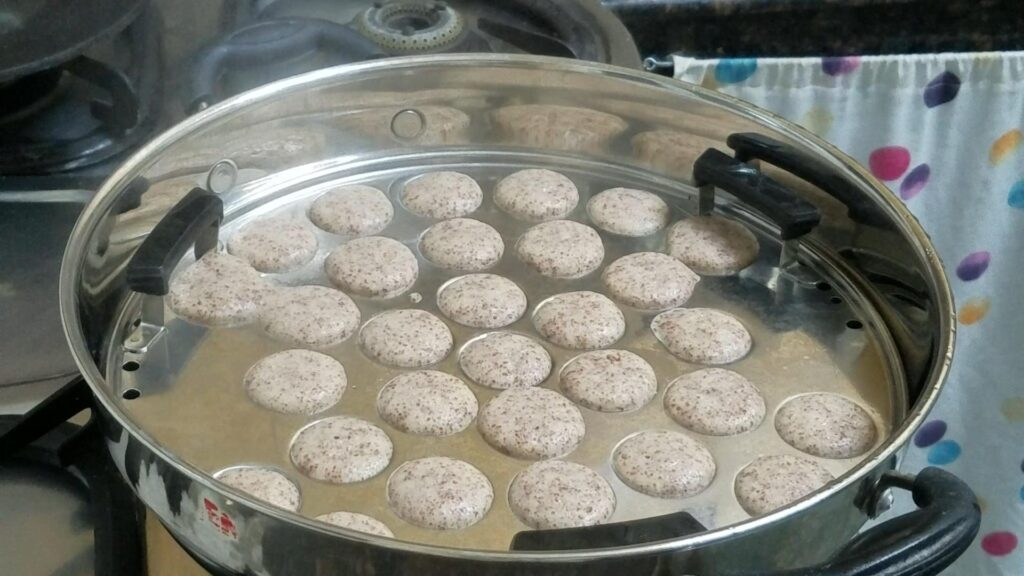
Place the idli tray in a steamer. Steam on medium-high heat for 8-10 minutes.
Turn off the heat and allow the idlis to rest for 5 minutes. Demould using a spoon.
Serving Suggestions
Serve hot with:
- Coconut Chutney
- Peanut Chutney
- Tomato Chutney
- Vegetable Sambhar
Storage Tips
- Store leftover idlis in an airtight container in the refrigerator for up to 2-3 days.
- Reheat in a microwave or steamer before serving.
- Do not leave fermented batter at room temperature for extended periods in hot weather.
Expert Tips
- Use fresh urad dal for better fermentation.
- Ferment the batter in a warm place.
- Avoid adding too much water while grinding.
- Whisking the batter helps produce softer idlis.
- Allow the idlis to cool slightly before demoulding.
Frequently Asked Questions
Can I make ragi idli without rice?
Yes. This recipe is completely rice-free and uses ragi, dals, and poha to achieve a soft texture.
Why are my ragi idlis hard?
Hard idlis are usually caused by poor fermentation, very thick batter, or insufficient steaming.
Can I use regular white poha?
Yes, white poha can be used if red poha is unavailable.
Is ragi idli good for diabetics?
Ragi idli contains fiber and protein, making it a better breakfast option than many refined grain-based breakfasts. Individual responses may vary.
Can I freeze ragi idlis?
Yes. Store them in a freezer-safe container and reheat before serving.
Recipe Card
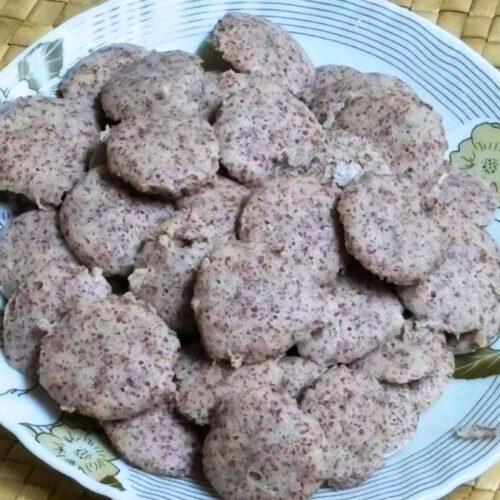
Soft & Fluffy Ragi Idli Recipe (Without Rice) | Healthy Millet Breakfast

Ingredients
- ½ cup Ragi Finger Millet
- ¼ cup Whole Urad Dal
- ¼ cup Chana Dal
- 1 tsp Methi Dana Fenugreek Seeds
- ¼ cup Red Poha
- ½ tsp Salt
Instructions
- Step 1: Soak the Ingredients
- In a bowl, combine:
- Ragi
- Whole urad dal
- Chana dal
- Methi dana
- Wash thoroughly 2-3 times.
- In another bowl, wash the red poha.
- Add enough water to both bowls and soak for 4-5 hours.
Step 2: Prepare the Batter
- Drain the soaked ingredients.
- Transfer the ragi and dal mixture to a blender jar and grind into a smooth paste.
- Add soaked red poha and a little water if needed.
- Blend again until a smooth batter is formed.
Step 3: Whisk the Batter
- Transfer the batter to a large bowl.
- Whisk for 4-5 minutes until slightly light and airy.
- The batter should have a medium consistency—not too thick and not too thin.
Step 4: Ferment
- Cover the bowl and keep it in a warm place for 8-10 hours or overnight.
- The batter will rise slightly after fermentation.
Step 5: Prepare the Idlis
- Mix the fermented batter gently.
- Add salt and mix well.
- Grease the idli moulds with a little oil.
- Pour the batter into the moulds.
Step 6: Steam
- Place the idli tray in a steamer.
- Steam on medium-high heat for 8-10 minutes.
- Turn off the heat and allow the idlis to rest for 5 minutes.
- Demould using a spoon.
Video
Notes
- Use fresh urad dal for better fermentation.
- Ferment the batter in a warm place.
- Avoid adding too much water while grinding.
- Whisking the batter helps produce softer idlis.
- Allow the idlis to cool slightly before demoulding.
Soft, fluffy, and naturally fermented, these rice-free ragi idlis are a healthy breakfast that’s both delicious and nutritious. Made with simple ingredients and packed with fiber and protein, they’re perfect for busy mornings and healthy eating goals. Give this recipe a try and enjoy a wholesome millet-based breakfast with your favorite chutney or sambhar.
I hope you enjoy making these soft and fluffy Ragi Idlis as much as I do! If you make this recipe, don’t forget to rate it and leave a comment below. Your feedback helps others and inspires me to create more healthy, diabetic-friendly, and millet-based recipes.
Looking for more healthy breakfast ideas? Be sure to explore other high-protein and gluten-free recipes on Healthically Kitchen.


