
This post may contain affiliate links. If you purchase through these links, I may earn a small commission at no additional cost to you. Check our disclosure policy
Make a delicious rajgira nashta with vegetable-paneer rajgira roti, cucumber raita and creamy paneer dip. An easy gluten-free meal idea for vrat and everyday cooking.
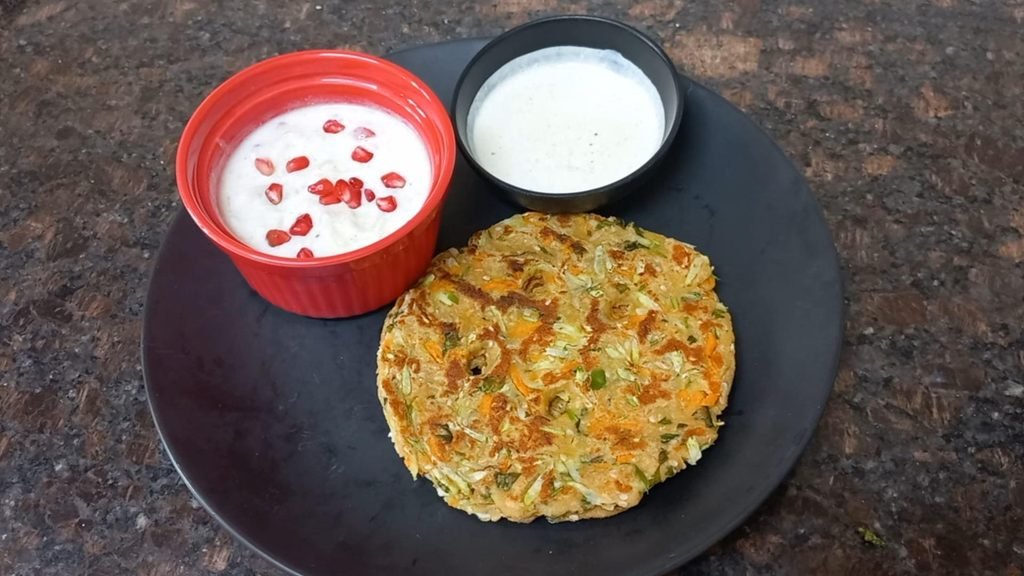
Rajgira Nashta for Vrat: Vegetable Paneer Roti with Cucumber Raita and Creamy Paneer Dip
Looking for a tasty and satisfying rajgira nashta for vrat? Try this complete platter of vegetable-paneer rajgira roti, refreshing cucumber raita and creamy homemade paneer dip. It brings together traditional Indian ingredients, vegetables, dairy and simple spices in one meal.
Rajgira, also known as amaranth, is naturally gluten-free and commonly used in Indian fasting recipes. In this recipe, grated lauki, carrot, paneer, coriander and sesame seeds are mixed with rajgira atta to make flavourful rotis. This rajgira roti is cooked on an iron tawa with a little ghee and served hot with chilled raita and a creamy dip.
You can also enjoy this platter on non-fasting days. If preparing it for vrat, check that every ingredient is allowed according to your fasting tradition.
You may also like to try my other healthy rajgira recipes for fasting- Rajgira Almond Cookies, Amaranth Pudding, and Rajgira Energy Bar
My latest Recipe Video
Why You’ll Love This Rajgira Nashta
- Three recipes in one: Prepare rajgira roti, cucumber raita and paneer dip for a complete platter.
- Naturally gluten-free flour: Rajgira flour contains no gluten naturally, although cross-contact can occur during processing.
- Vegetables and paneer: Lauki, carrot and paneer add flavour and variety to the roti.
- Easy homemade sides: The raita and dip need only a few ingredients and a grinder or whisk.
- Flexible serving: Enjoy this rajgira roti for breakfast, brunch or a light meal.
You would also like my other healthy vrat recipes- Kuttu Paratha without Potato, Aloo Jeera, Apple Makhana Smoothie, and Sabudana Kheer with Jaggery
Ingredients You’ll Need
Rajgira atta: Amaranth flour gives the roti its characteristic earthy flavour and makes it a useful alternative to wheat flour. Rajgira dough behaves differently from wheat dough, so it is best spread gently by hand rather than kneaded and rolled like regular chapati dough.
Lauki and carrot: Grated bottle gourd and carrot add moisture, colour and flavour. They also release water into the dough, so avoid adding extra water at the beginning.
Paneer: Paneer contributes protein and a soft texture to both the roti and the dip. The amount of protein in the final meal depends on the portion size and the ingredients used.
Sesame seeds and jeera: Sesame seeds add a mild nutty taste, while cumin brings a warm, savoury flavour.
Curd and cucumber: Curd creates the creamy base of the raita, and cucumber adds freshness. Pomegranate seeds provide a sweet-tart contrast and make the raita look colourful.
Cashews and lemon juice: Soaked cashews help create a creamy dip. Paneer gives it body, while lemon juice brightens the flavour. Add water little by little to control the consistency.
Ghee and sendha namak: A little ghee helps cook the roti and adds flavour. Sendha namak is often used in fasting recipes, but follow your own fasting rules for all ingredients.
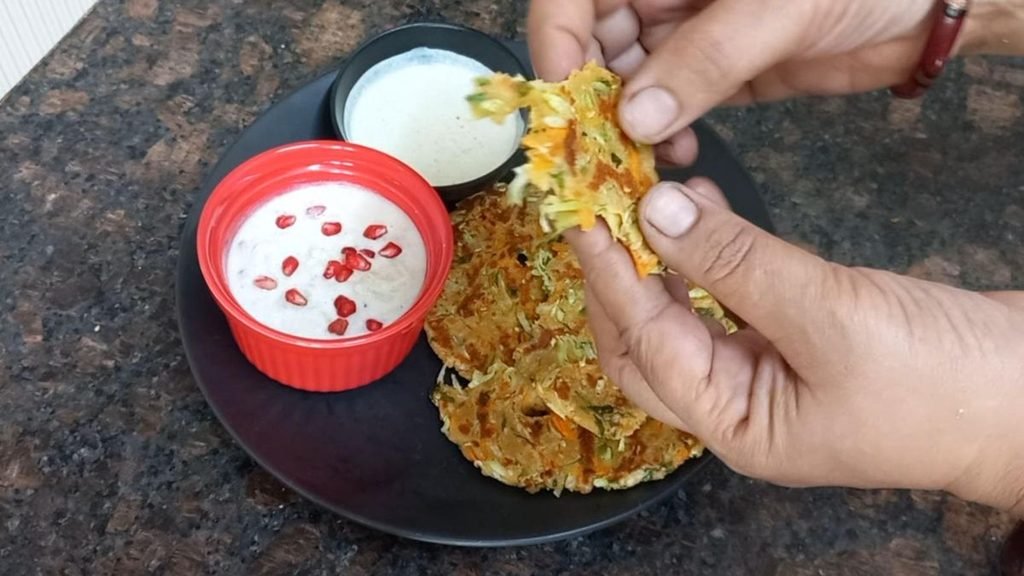
How to Make Rajgira Nashta Platter
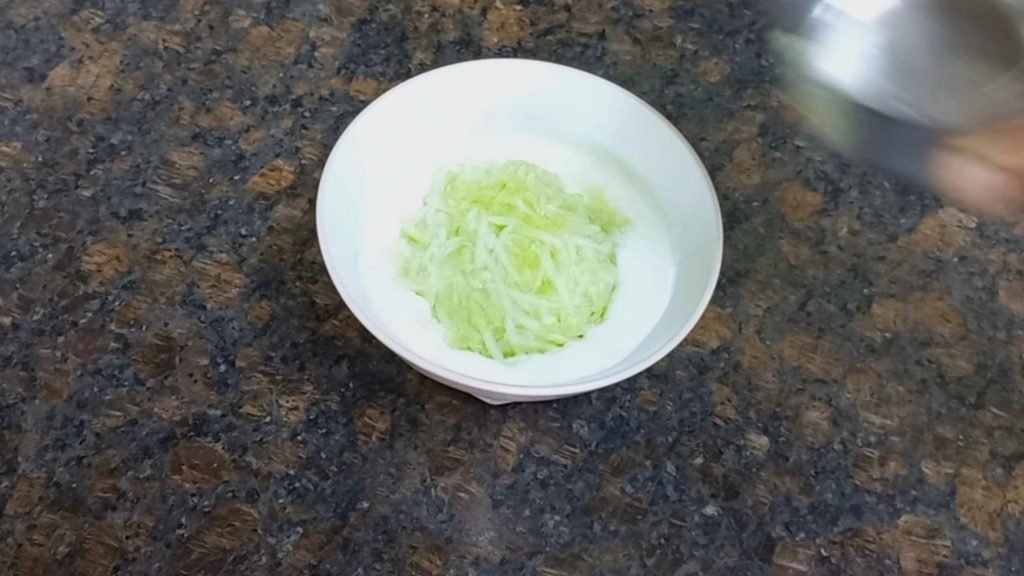
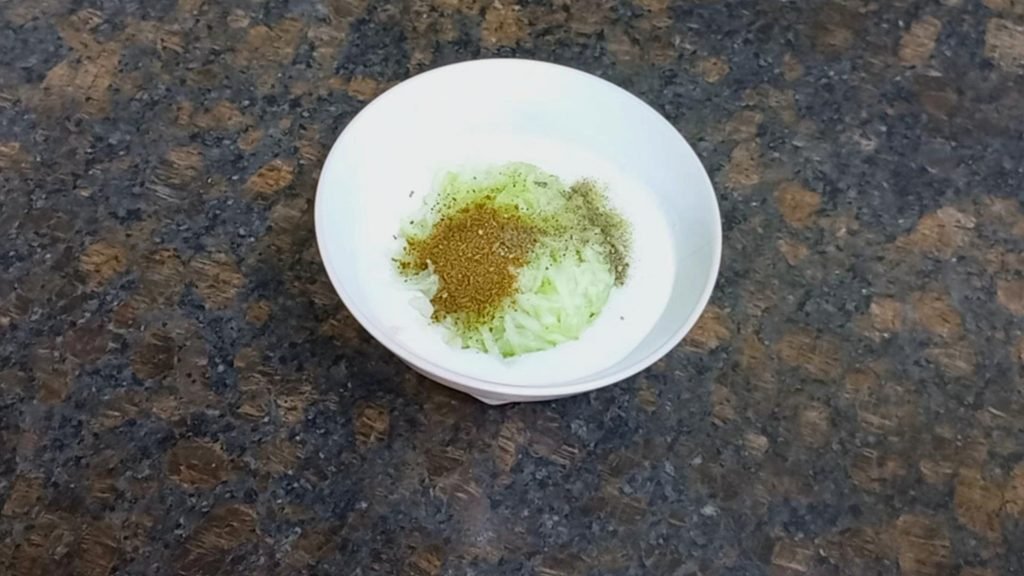
Step 1: Prepare the cucumber raita
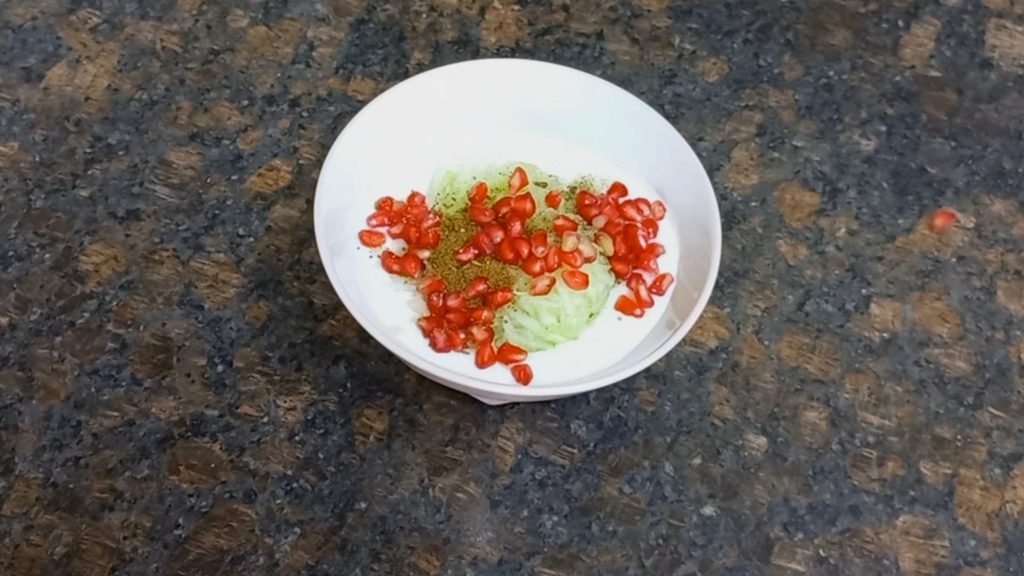
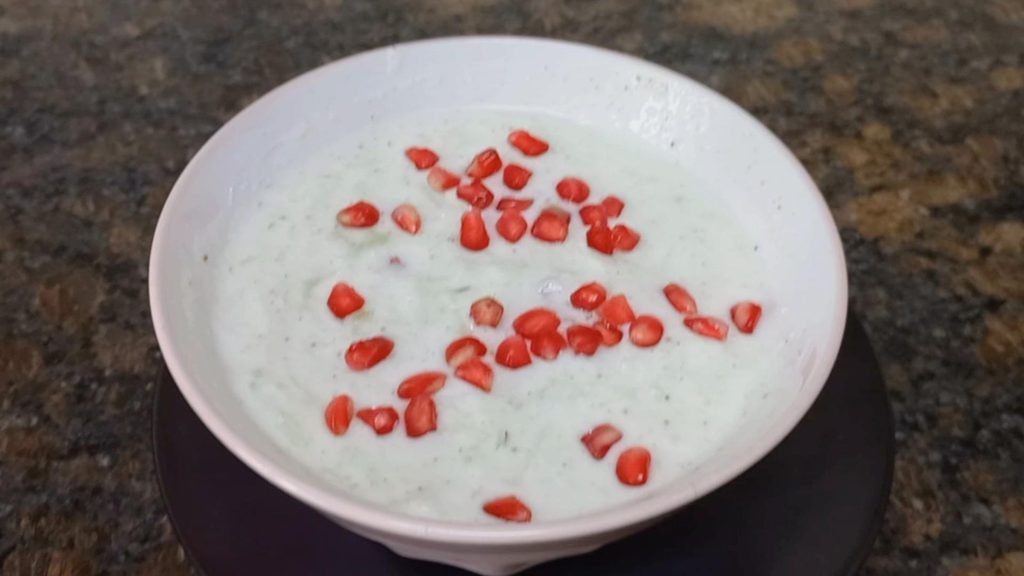
Add the curd to a large bowl and whisk until smooth. Mix in grated cucumber, sendha namak, cumin powder, black pepper and pomegranate seeds. Garnish with a few extra pomegranate seeds and refrigerate until serving. Try my other raita recipes- Ghia Raita and Bathua Raita
Step 2: Make the creamy paneer dip
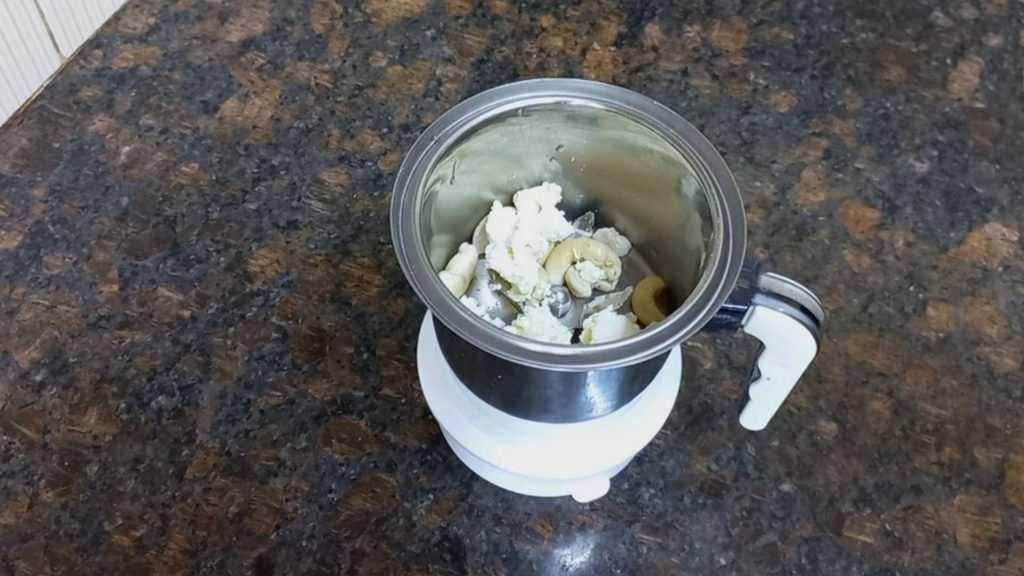
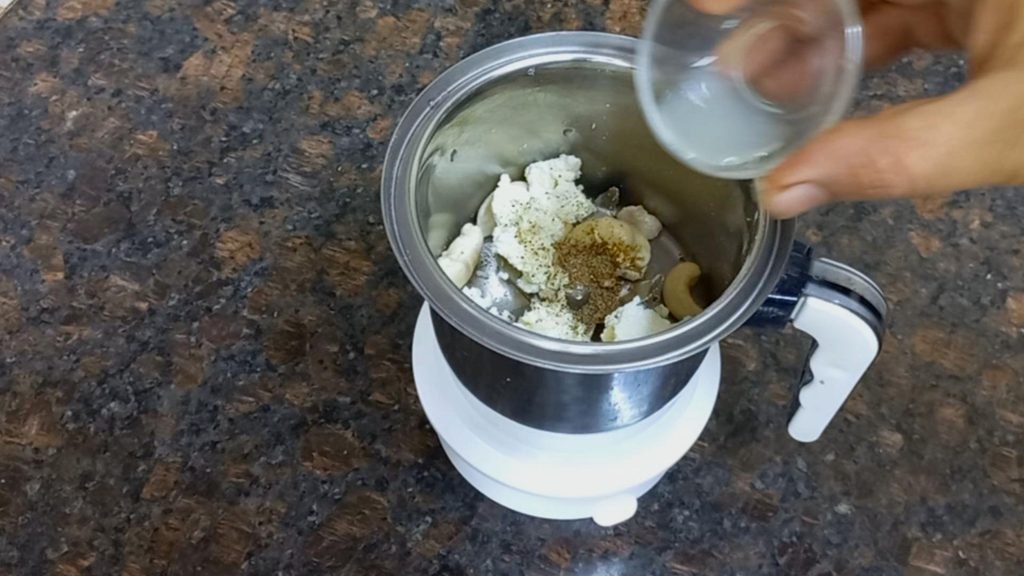
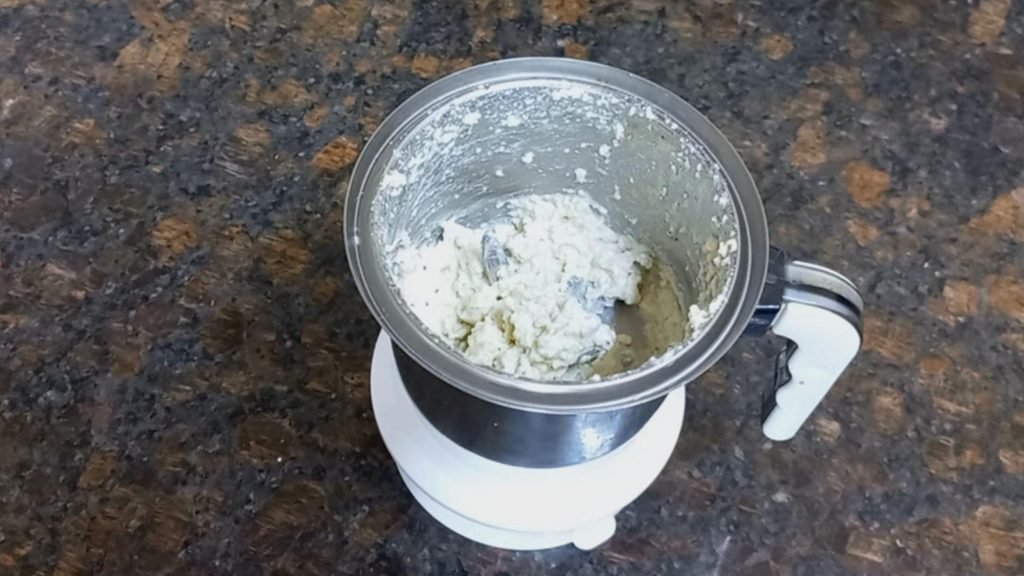
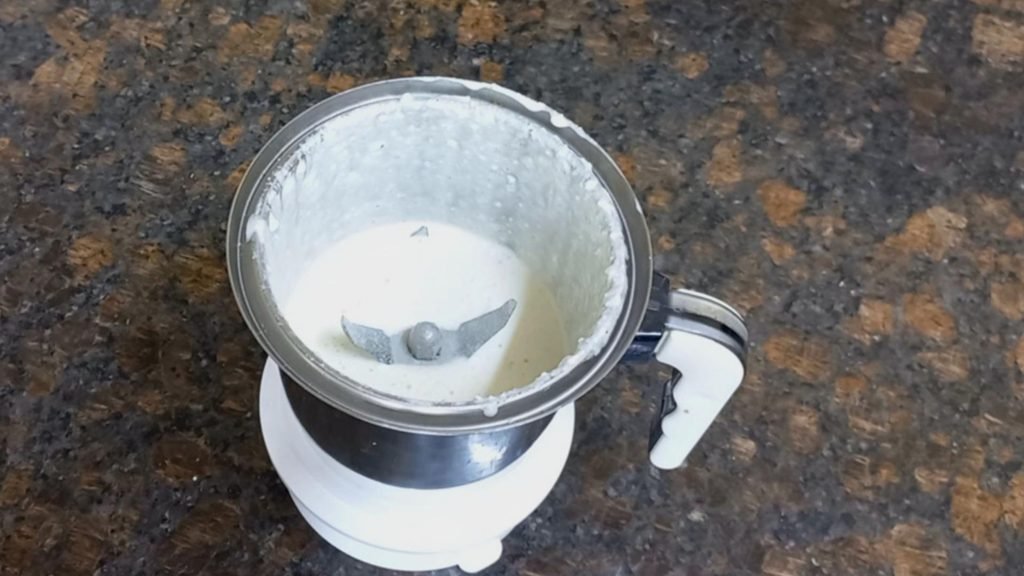
Place the soaked cashews, mashed paneer, sendha namak, cumin powder, black pepper, lemon juice and one tablespoon of water in a grinder jar. Blend briefly, then add another tablespoon of water and blend until smooth. Transfer to a clean container and refrigerate.
Step 3: Prepare the rajgira dough
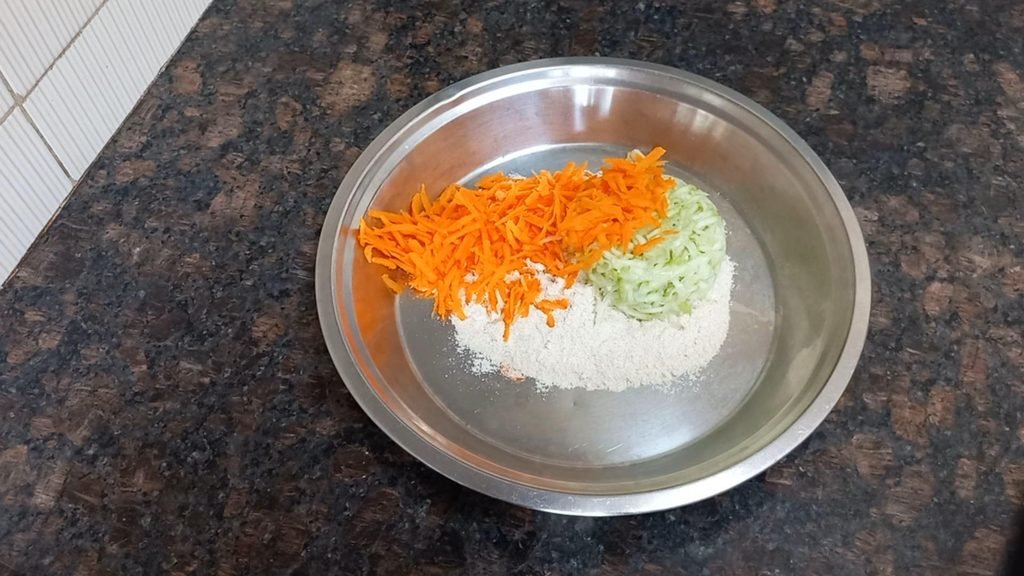
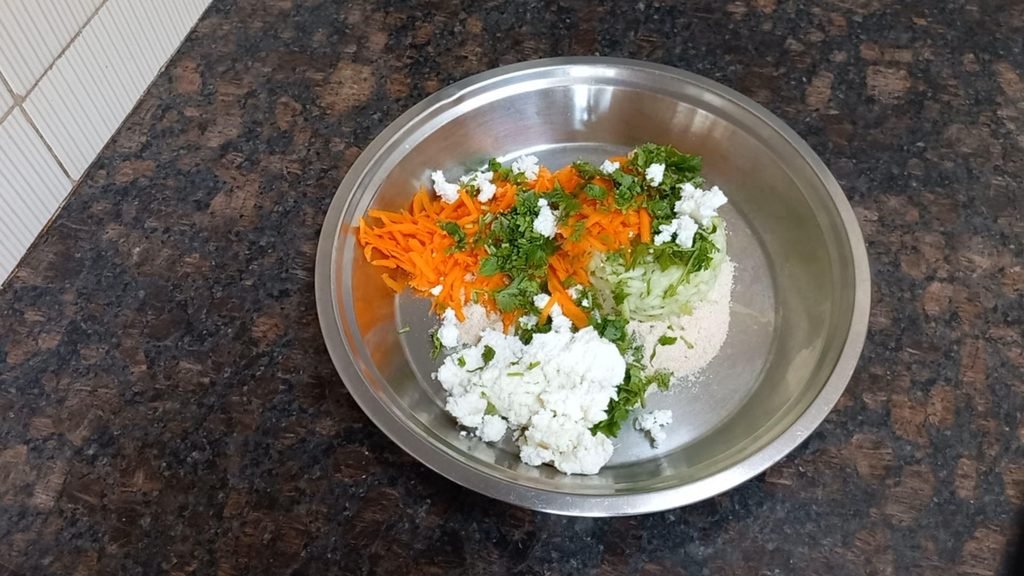
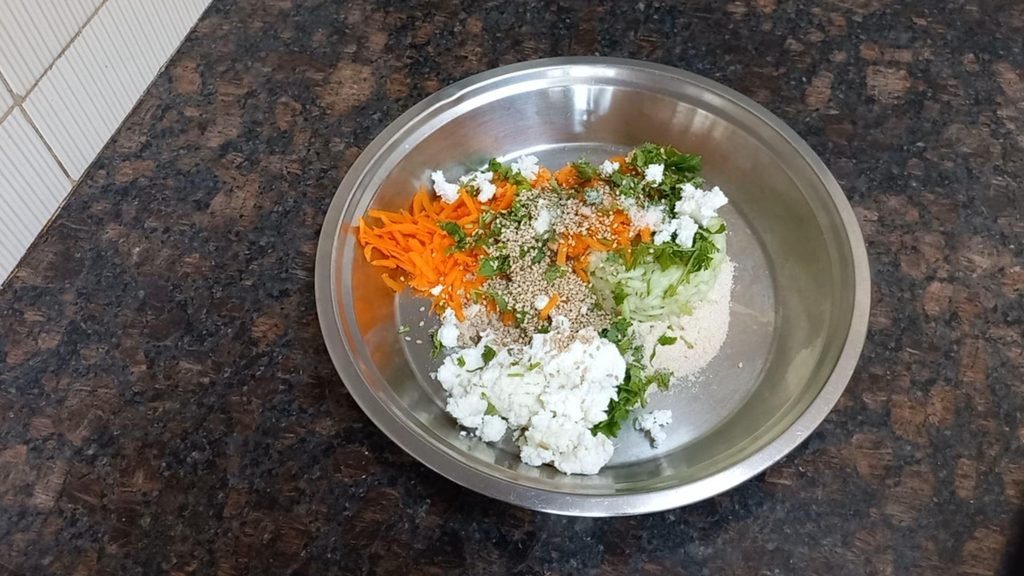
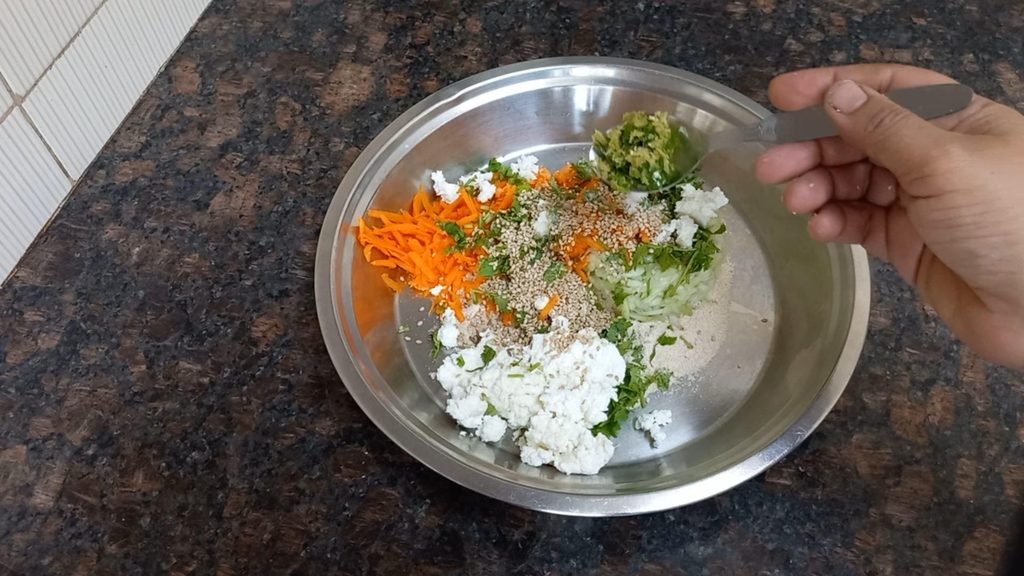
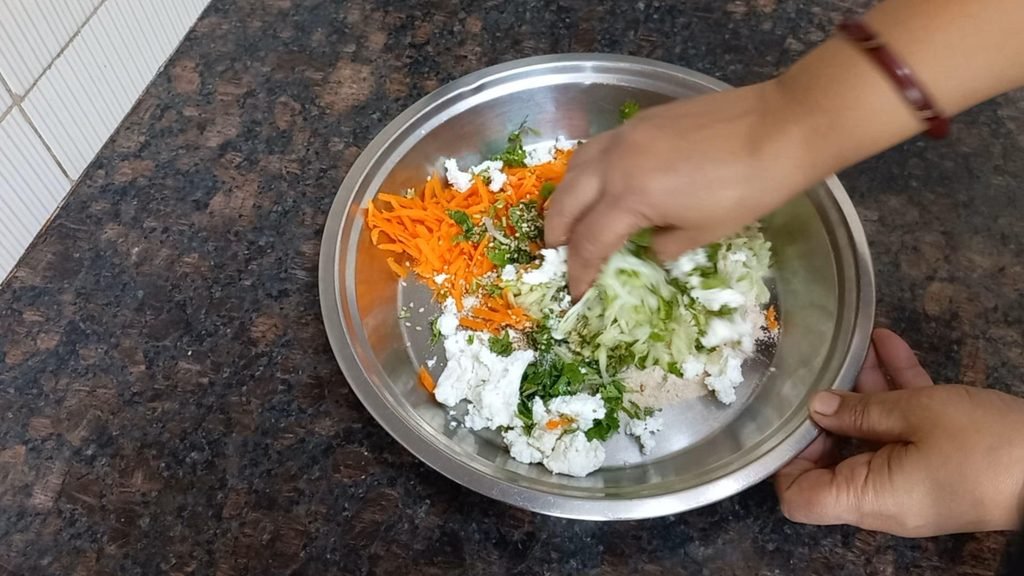
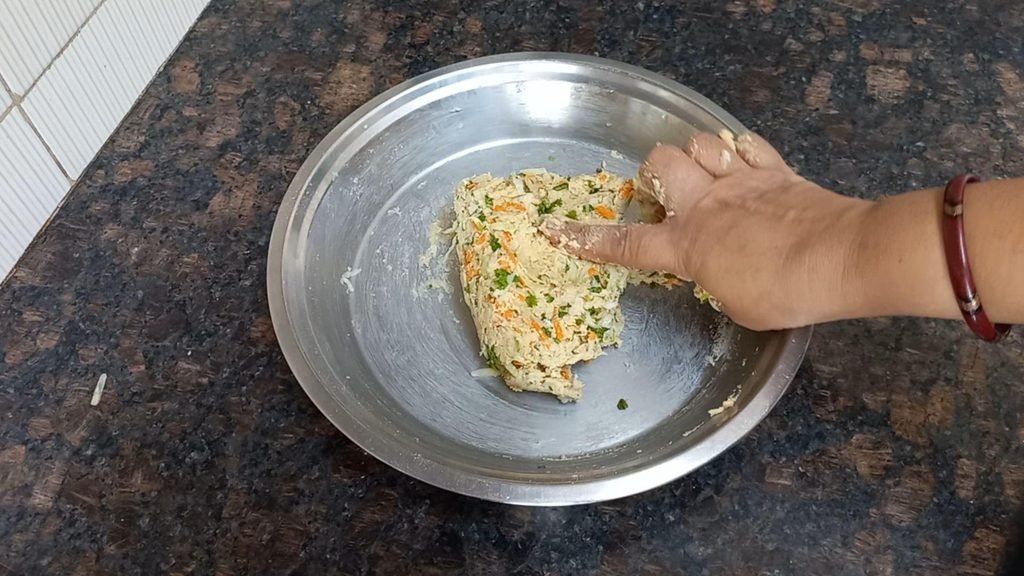
Combine rajgira atta, grated lauki, grated carrot, coriander, paneer, sendha namak, cumin, sesame seeds and ginger-green chilli paste in a bowl. Mix until the ingredients come together.
If the dough feels too wet, add the extra rajgira atta gradually. Aim for a soft, manageable dough that can be spread by hand. Do not add unnecessary water.
Step 4: Shape the rotis
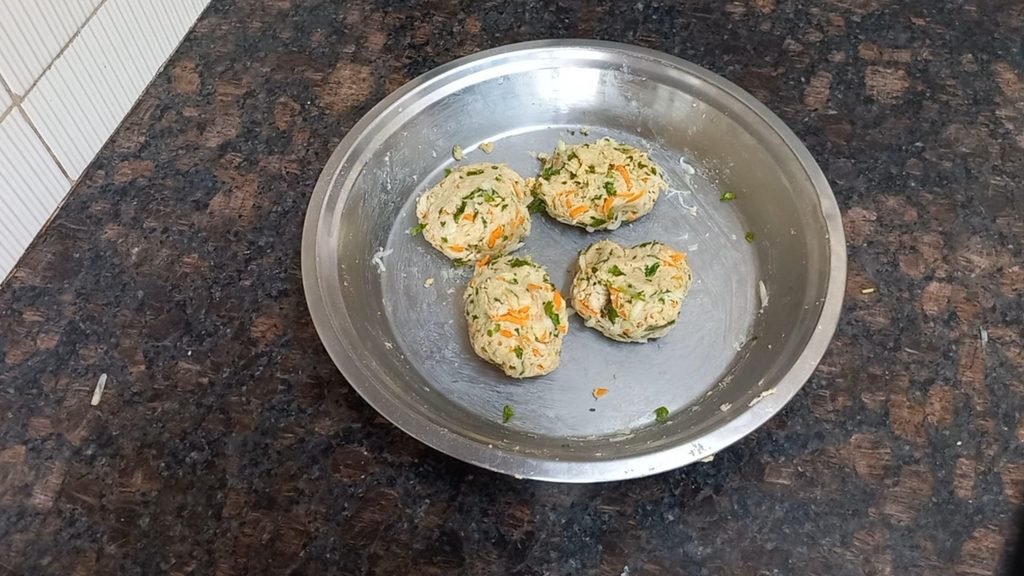
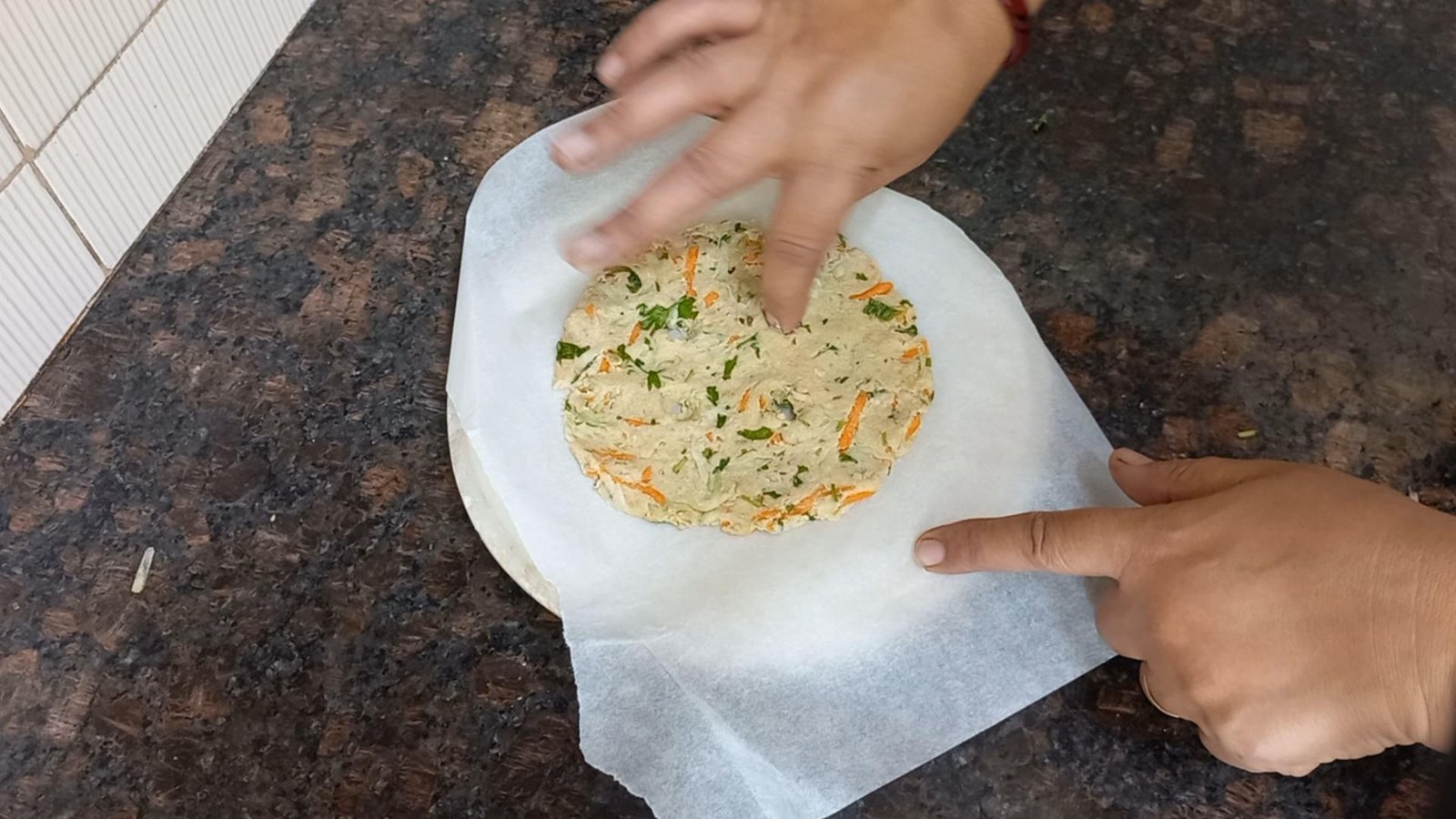
Divide the dough into four equal portions and shape them into balls. Lightly grease parchment paper with a little ghee. Place one ball on it and gently spread it with your fingers to medium thickness. Smooth the edges and make a small hole in the centre.
Step 5: Cook the rajgira roti
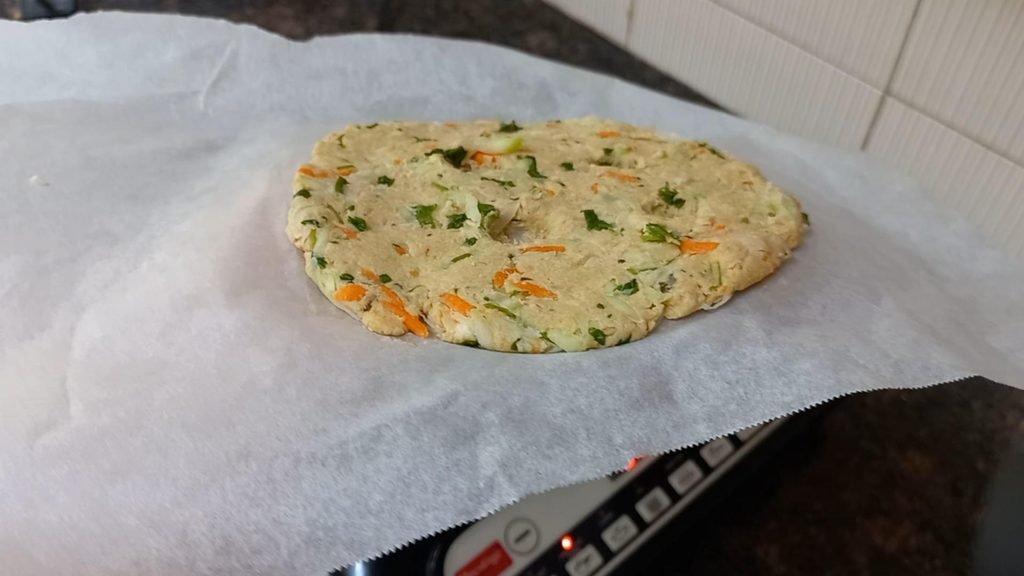
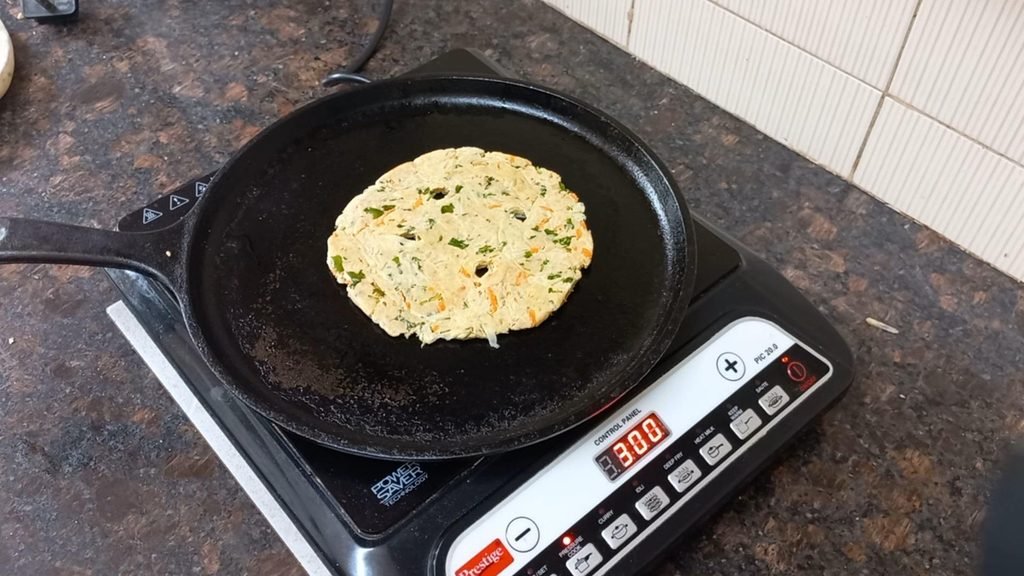
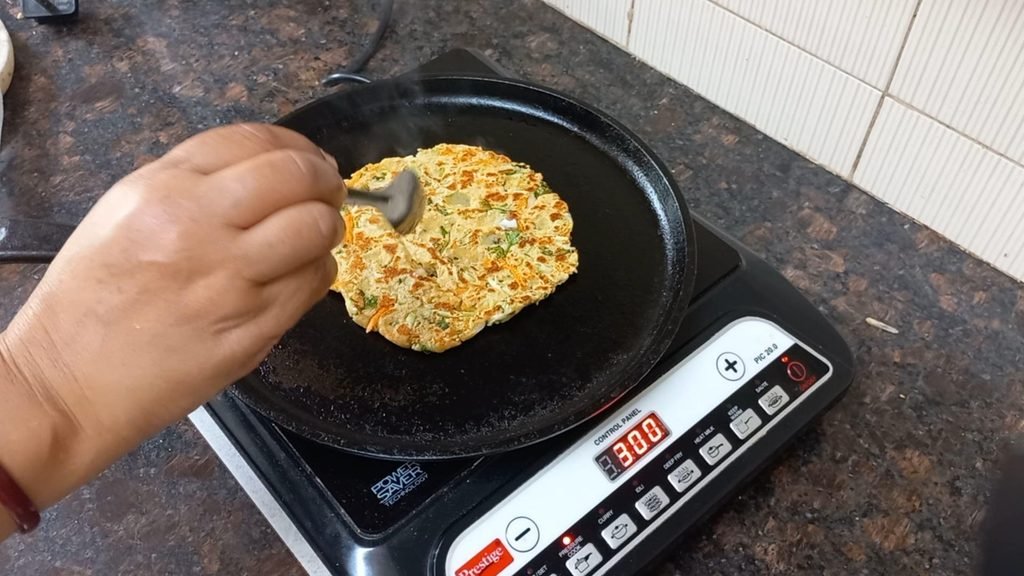
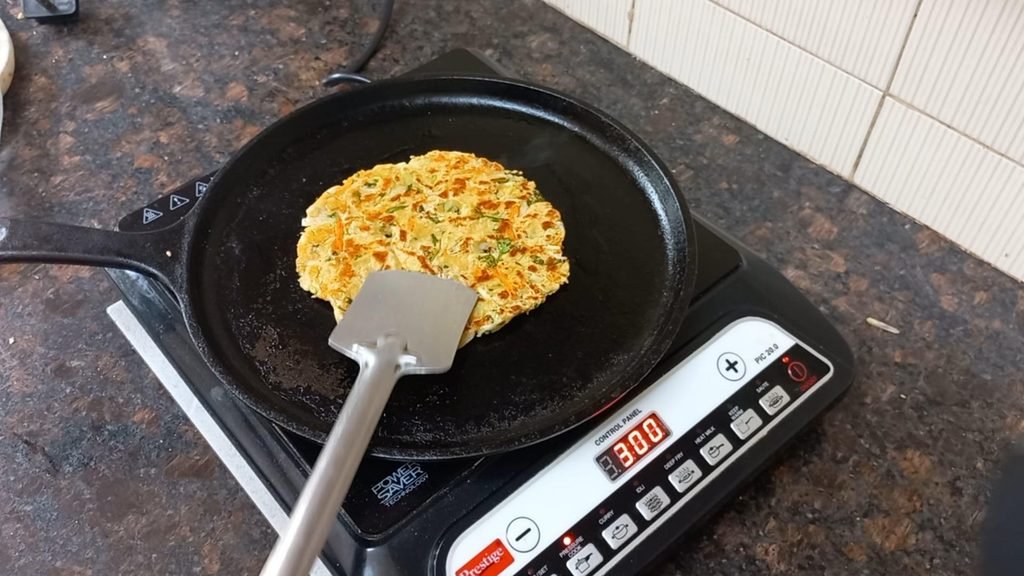
Preheat an iron tawa and keep the heat at low to medium. Transfer the shaped roti carefully to the tawa and remove the parchment paper. Cook for about 1–2 minutes, then turn it over.
Add a little ghee to the centre hole and lightly brush the surface. Continue cooking, turning as needed, until both sides are properly cooked. Repeat with the remaining dough.
Step 6: Serve the Rajgira Nashta platter
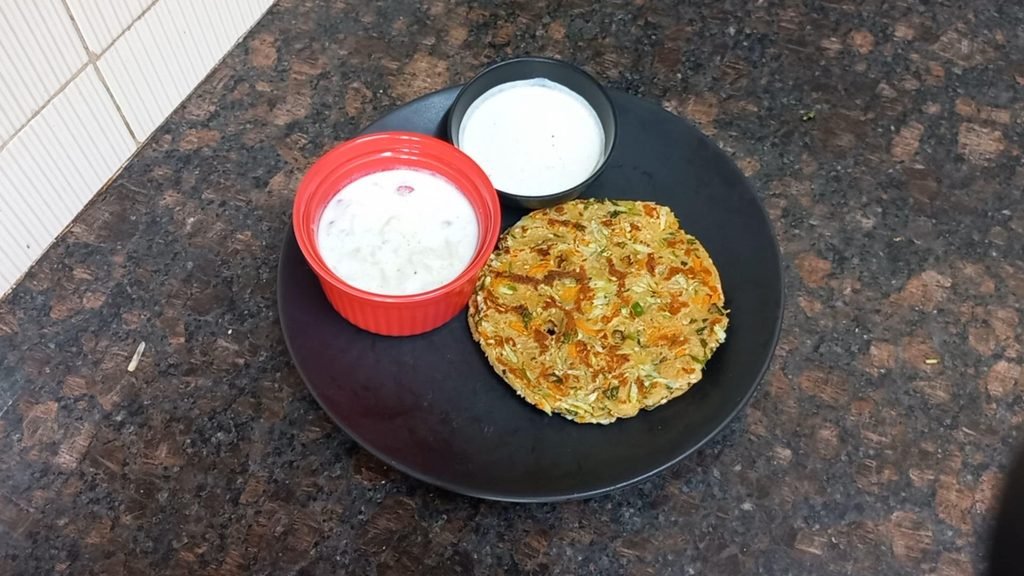
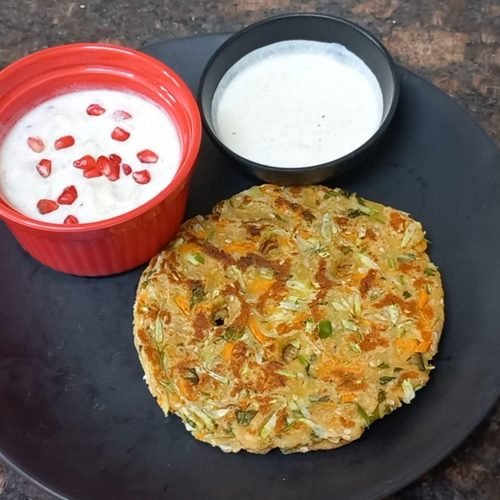
Serve the rajgira rotis hot with chilled cucumber raita and creamy paneer dip. This combination works well as a breakfast, brunch or light meal.

Tips for Soft, Well-Cooked Rajgira Roti
- Grate and measure the vegetables before mixing so you can judge the dough’s moisture.
- Add the extra flour gradually; different brands of rajgira atta absorb moisture differently.
- Avoid making the rotis too thick, as the centre may take longer to cook.
- Use low-to-medium heat and turn the roti as needed to cook it evenly.
- Handle the dough gently because rajgira flour does not develop the elastic gluten structure found in wheat dough.
- If the roti breaks while shaping, press the edges back together with your fingers.
Serving Suggestions
Serve the platter with cucumber raita and paneer dip as described. For a non-fasting meal, you can pair the roti with plain curd, a vegetable side or another dip you enjoy. If you follow a strict fasting routine, confirm that the flour, spices, dairy products and other ingredients fit your personal vrat rules.
Storage
Refrigerate the cucumber raita and paneer dip promptly in clean, covered containers. Keep them at or below 4°C and use within 2–3 days; discard them if their smell, texture or appearance changes. For best taste and texture, make the rotis fresh and serve them hot.
Frequently Asked Questions
1. Is rajgira atta gluten-free?
Pure rajgira flour is naturally gluten-free. If you have celiac disease or need a medically strict gluten-free diet, choose flour labelled gluten-free and check for cross-contact during manufacturing and preparation.
2. Can I make rajgira roti without resting the dough?
Yes. This recipe is designed to be shaped immediately after mixing. Since lauki and carrot release moisture over time, adjusting the dough and cooking it soon after mixing can make handling easier.
3. Why is my rajgira dough too sticky?
The vegetables may have released more water than expected. Add a little extra rajgira atta at a time until the dough becomes manageable. Avoid adding too much flour at once, or the roti may become dry.
4. Can I prepare the paneer dip in advance?
Yes. Store it in a clean, airtight container in the refrigerator and use it within 2–3 days. Keep it chilled and use a clean spoon each time.
5. Is this recipe suitable for vrat?
It may suit some fasting traditions, but vrat rules vary. Check whether rajgira, paneer, curd, cashews, sesame, coriander, ginger, green chilli and the selected spices are allowed in your tradition.
6. How can I serve this outside fasting days?
Serve the roti with cucumber raita and paneer dip for breakfast or brunch. You can also pair it with a vegetable side or curd for a more substantial meal.
7. Is this a high-protein meal?
Paneer and curd contribute protein, but the actual amount depends on the ingredients and serving sizes. Treat the nutrition estimate as a guide rather than a guarantee.
Kitchen Product I Used
Nutrition Information
Estimated nutrition for one rajgira roti, assuming the dough makes four rotis and includes the extra two tablespoons of rajgira atta:
- Energy: approximately 190–210 kcal
- Protein: approximately 8–9 g
- Carbohydrates: approximately 25–29 g
- Fat: approximately 6–8 g
- Fibre: approximately 3–4 g
These figures are estimates for the roti only and do not include the raita or paneer dip. The complete platter will have higher calories and protein. Exact values depend on the size of the vegetables, the brand of rajgira atta and paneer, and the amount of ghee used. get more information on nurtition and dietary guilelines
Nutrition disclaimer: The nutritional values are estimated using a nutrition calculation software and may vary slightly depending on the ingredients, brands, and cooking methods used.
Recipe Card
Rajgira Nashta for Vrat | Rajgira Roti, Cucumber Raita & Paneer Dip

Ingredients
For rajgira roti
- 1 cup + 2 tbsp rajgira atta
- 100 g grated lauki
- 1 medium size grated carrot
- 3 –4 tbsp finely chopped fresh coriander
- 70 g paneer crumbled
- 1 tsp sendha namak
- ½ tsp jeera
- 1 tbsp sesame seeds
- 1 tsp ginger-green chilli paste
- A little ghee for greasing and cooking
For cucumber raita
- 250 ml curd
- 1 grated cucumber
- Sendha namak to taste
- ¼ tsp jeera powder
- ¼ tsp black pepper powder
- 2 tbsp pomegranate seeds
For creamy paneer dip
- 6 –7 soaked cashews
- 50 g mashed paneer
- ¼ tsp sendha namak
- ¼ tsp jeera powder
- ¼ tsp black pepper powder
- 1 tsp lemon juice
- 1 –2 tbsp water as needed
Instructions
Step 1: Prepare the cucumber raita
- Add the curd to a large bowl and whisk until smooth. Mix in grated cucumber, sendha namak, cumin powder, black pepper and pomegranate seeds. Garnish with a few extra pomegranate seeds and refrigerate until serving.
Step 2: Make the creamy paneer dip
- Place the soaked cashews, mashed paneer, sendha namak, cumin powder, black pepper, lemon juice and one tablespoon of water in a grinder jar. Blend briefly, then add another tablespoon of water and blend until smooth. Transfer to a clean container and refrigerate.
Step 3: Prepare the rajgira dough
- Combine rajgira atta, grated lauki, grated carrot, coriander, paneer, sendha namak, cumin, sesame seeds and ginger-green chilli paste in a bowl. Mix until the ingredients come together.
- If the dough feels too wet, add the extra rajgira atta gradually. Aim for a soft, manageable dough that can be spread by hand. Do not add unnecessary water.
Step 4: Shape the rotis
- Divide the dough into four equal portions and shape them into balls. Lightly grease parchment paper with a little ghee. Place one ball on it and gently spread it with your fingers to medium thickness. Smooth the edges and make a small hole in the centre.
Step 5: Cook the rajgira roti
- Preheat an iron tawa and keep the heat at low to medium. Transfer the shaped roti carefully to the tawa and remove the parchment paper. Cook for about 1–2 minutes, then turn it over.
- Add a little ghee to the centre hole and lightly brush the surface. Continue cooking, turning as needed, until both sides are properly cooked. Repeat with the remaining dough.
Step 6: Serve the platter
- Serve the rajgira rotis hot with chilled cucumber raita and creamy paneer dip. This combination works well as a breakfast, brunch or light meal.
Notes
- Grate and measure the vegetables before mixing so you can judge the dough’s moisture.
- Add the extra flour gradually; different brands of rajgira atta absorb moisture differently.
- Avoid making the rotis too thick, as the centre may take longer to cook.
- Use low-to-medium heat and turn the roti as needed to cook it evenly.
- Handle the dough gently because rajgira flour does not develop the elastic gluten structure found in wheat dough.
- If the roti breaks while shaping, press the edges back together with your fingers.
This rajgira nashta brings together a vegetable-paneer roti, refreshing cucumber raita and creamy homemade paneer dip. It is a simple way to add variety to your breakfast routine and can be enjoyed on fasting or regular days when the ingredients fit your dietary preferences. Make the rotis fresh, serve them hot and enjoy the platter with your favourite sides.


