This post may contain affiliate links. If you purchase through these links, I may earn a small commission at no additional cost to you. Check our disclosure policy
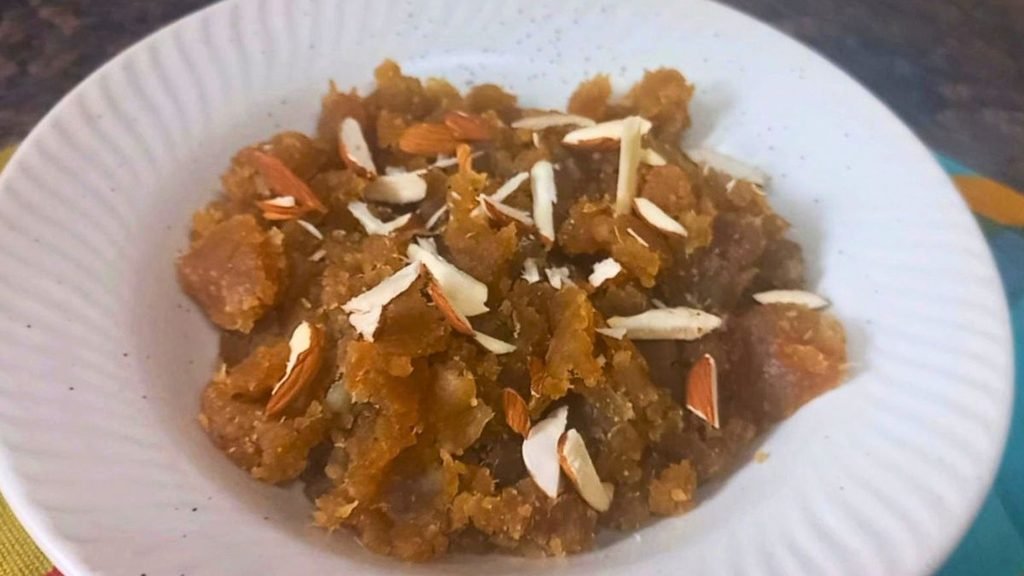
Make this sweet potato halwa with jaggery and very little ghee in just 10 minutes. This easy and quick shakarkandi halwa is a delicious homemade dessert for Navratri fasting or any time you want some healthy sweet dish to satisfy your sweet tooth.
Sweet Potato Halwa with Jaggery | No Refined Sugar
Sweet potato halwa is a delicious Indian dessert that you can prepare with a few simple ingredients at home. This sweet potato halwa with jaggery is made using cooked and mashed shakarkandi, a small amount of desi ghee, jaggery powder and fragrant cardamom.
If you are looking for a homemade sweet for Navratri, this recipe is worth trying, provided the ingredients fit your fasting traditions. Unlike recipes that use refined sugar and generous amounts of ghee, this version keeps the ingredient list simple and uses very little ghee.
The natural sweetness of sweet potatoes pairs beautifully with jaggery and cardamom, creating a soft, aromatic halwa that tastes delicious when served warm.
Want to try more sweet potato recipes– check out these Sweet Potato Chaat, How to Roast Sweet Potato at Home, Sweet Potato Kheer, Sweet Potato Salad
My Latest Recipe Video
Why You Will Love This Sweet Potato Halwa
- No refined sugar: Jaggery is used as the sweetener instead of refined white sugar.
- Very little ghee: Just two tablespoons of ghee are used for roasting the sweet potato.
- Simple ingredients: You do not need khoya, condensed milk or complicated ingredients.
- Easy to prepare: The sweet potatoes are cooked, mashed and roasted before adding jaggery.
- Festive and versatile: Serve it as a dessert during Navratri or enjoy a small portion whenever you crave a homemade Indian sweet.
Remember that jaggery still contains sugars, so this is not a sugar-free dessert.
Ingredients for Shakarkandi Ka Halwa recipe
1. Sweet potato
Sweet potato, also known as shakarkandi, is the main ingredient in this recipe. It provides the halwa with its soft texture, natural sweetness and characteristic colour. Choose firm sweet potatoes without soft spots or visible spoilage. Read more about food safety and consumption.
2. Desi ghee
Ghee adds aroma and richness to the halwa and helps the mashed sweet potato roast in the pan. Using two teaspoons keeps the added fat relatively low compared with many traditional halwa recipes. You can add a little extra if required, depending on the texture.
3. Jaggery powder
Jaggery powder replaces refined sugar in this recipe and gives the halwa a warm, caramel-like flavour. Its sweetness and moisture can vary by brand and type, so add it according to your preference. Since sweet potatoes already have some natural sweetness, taste the mixture before adding more. For more information on Food composition and nutrition information read here USDA FoodData Central
4. Cardamom powder
Cardamom adds a warm, sweet aroma that complements both sweet potato and jaggery. A small pinch is usually enough to enhance the flavour without overpowering the dish.
5. Chopped nuts
Chopped almonds, cashews or pistachios add crunch and make the halwa look festive. Garnishing is optional, and the quantity can be adjusted to your preference.
How to Make Sweet Potato Halwa with Jaggery
Step 1: Wash the sweet potatoes
Wash sweet potatoes thoroughly under running water two to three times to remove any dirt. There is no need to peel them before cooking.
Step 2: Cook in a pressure cooker
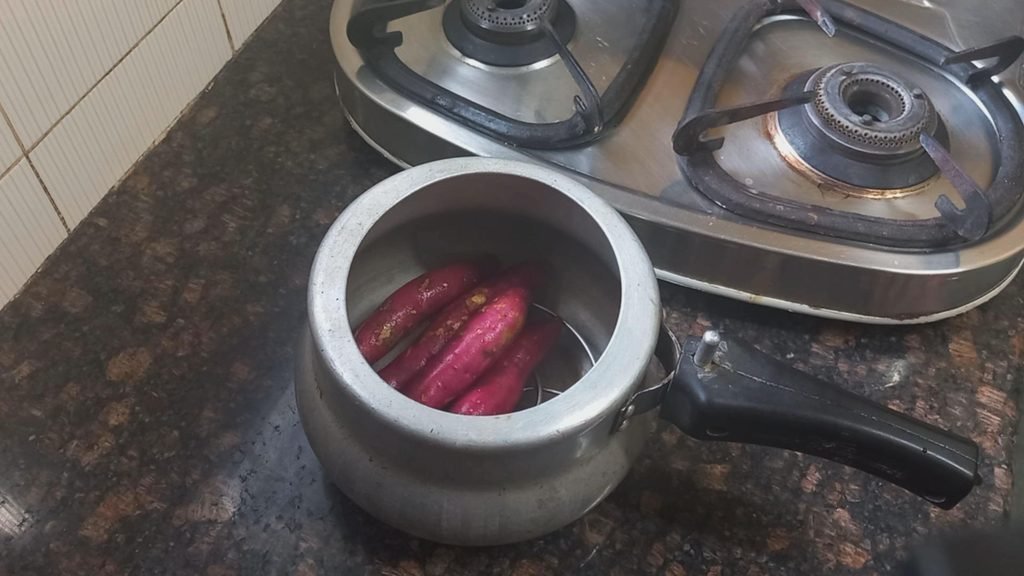
Place a stand inside the pressure cooker and arrange the sweet potatoes on it. Close the lid, remove the whistle and cook over lowest heat setting. In this recipe, cooking is planned for approximately 13–15 minutes, but the exact time can vary with the size of the sweet potatoes and adjust accordingly.
Check after 15 minutes by opening the cooker.
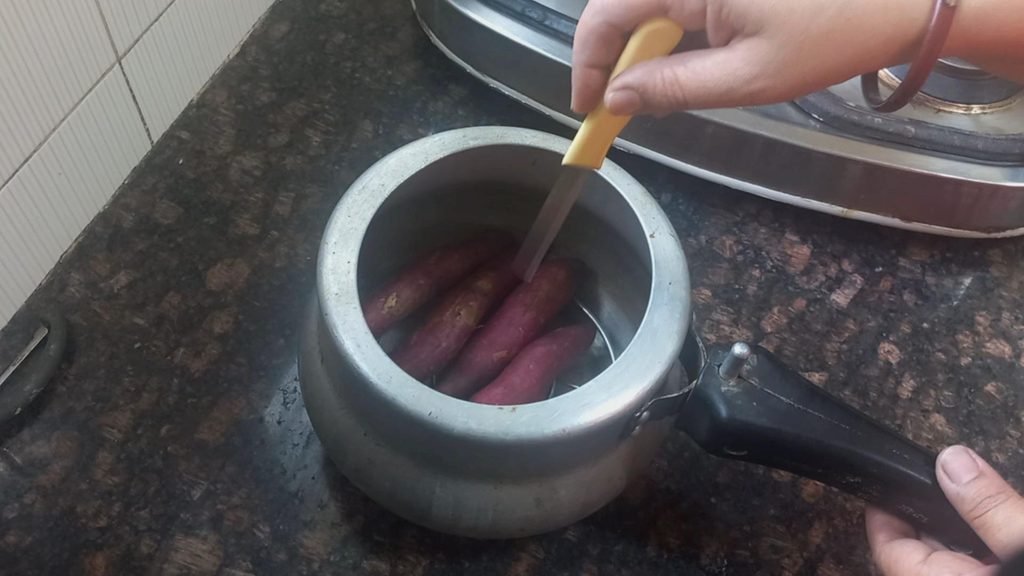
Step 3: Check, cool and peel
Check doneness with a knife. If it slides easily into the centre, the sweet potatoes are cooked. Allow them to cool until comfortable to handle, then peel and mash them while still slightly warm.
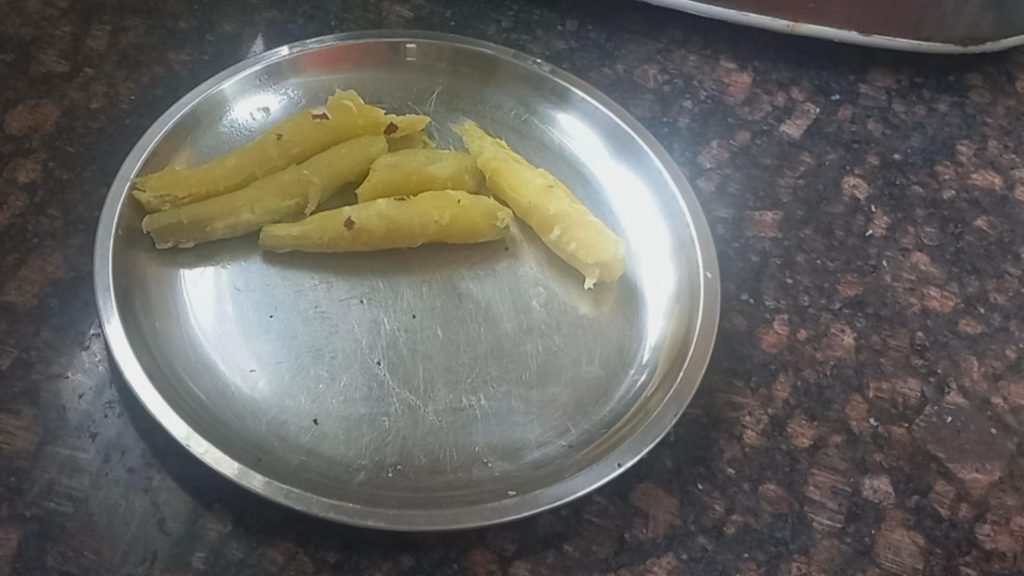
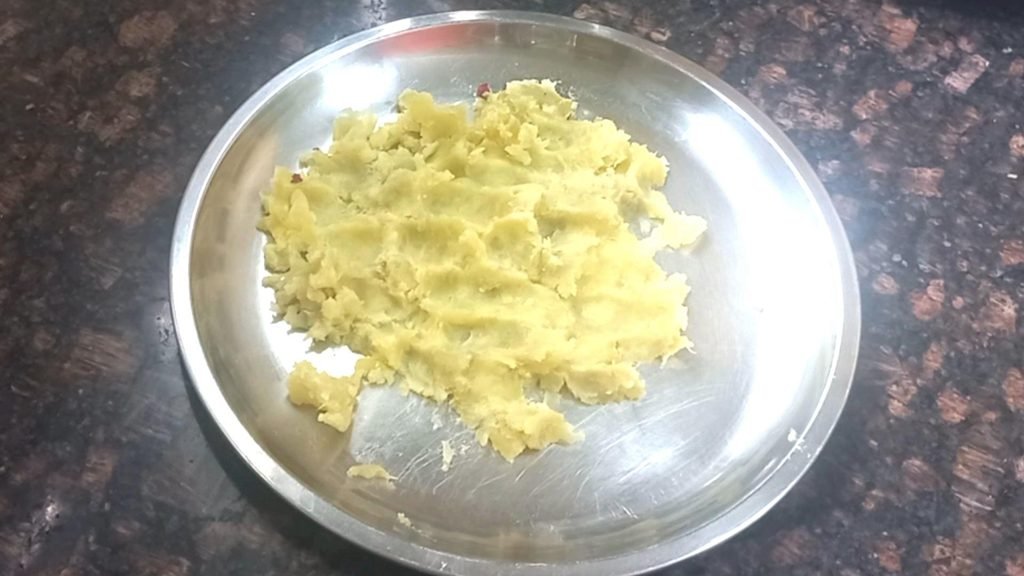
Step 4: Roast the mashed sweet potato
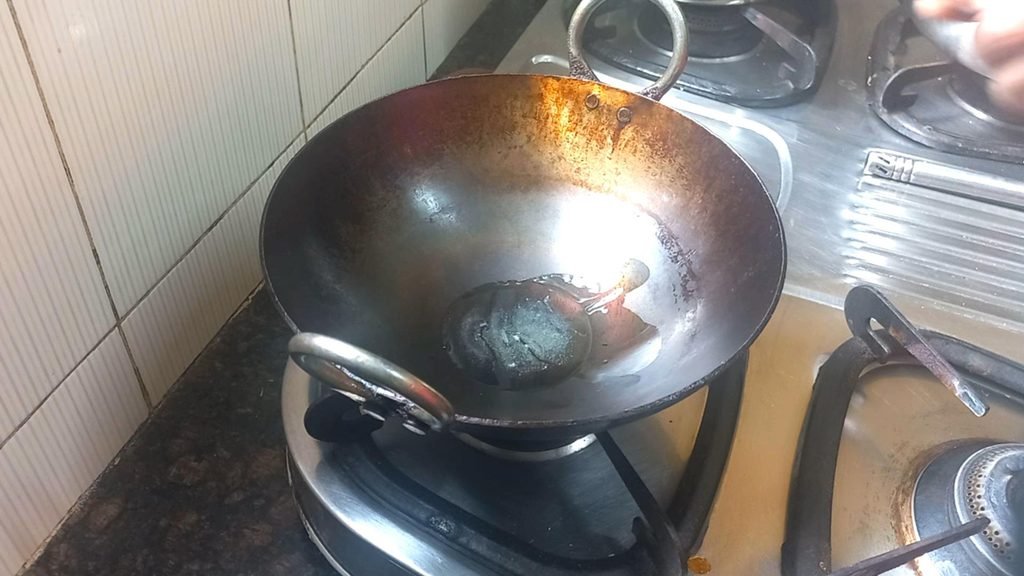
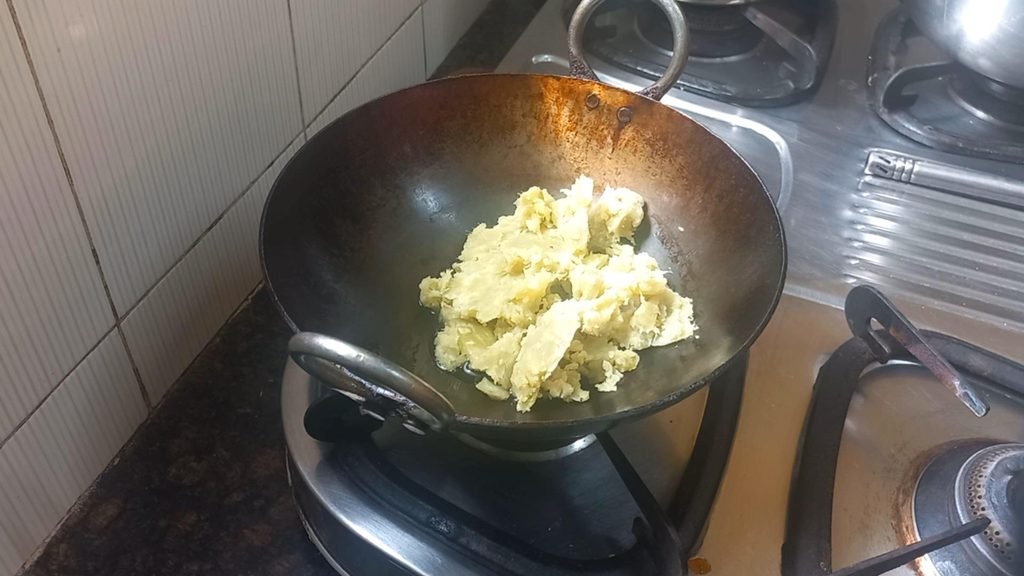
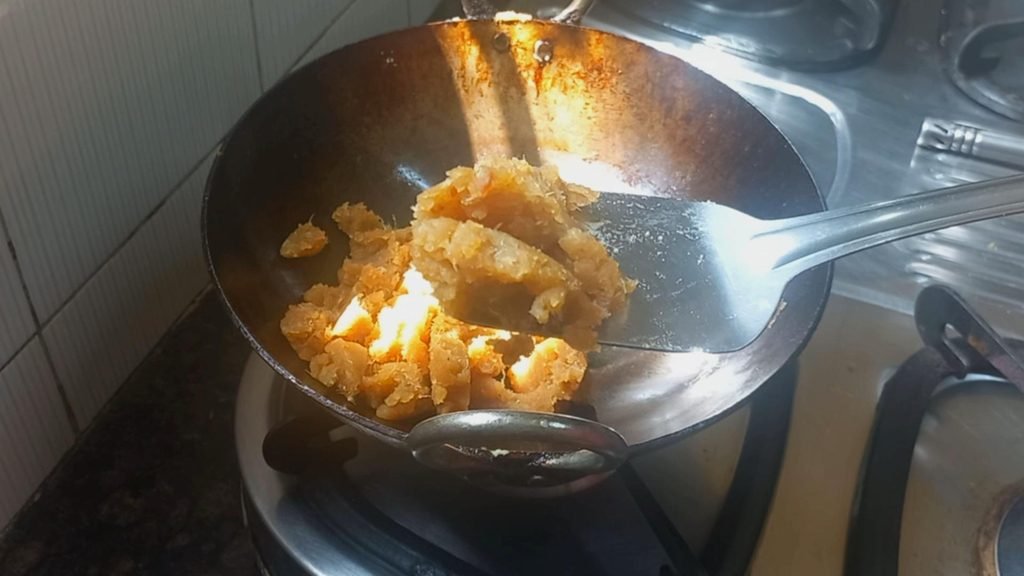
Heat two teaspoons of desi ghee in an iron kadai or a good-quality non-stick pan. Add the mashed sweet potato and roast over medium-low heat, stirring continuously to prevent sticking.
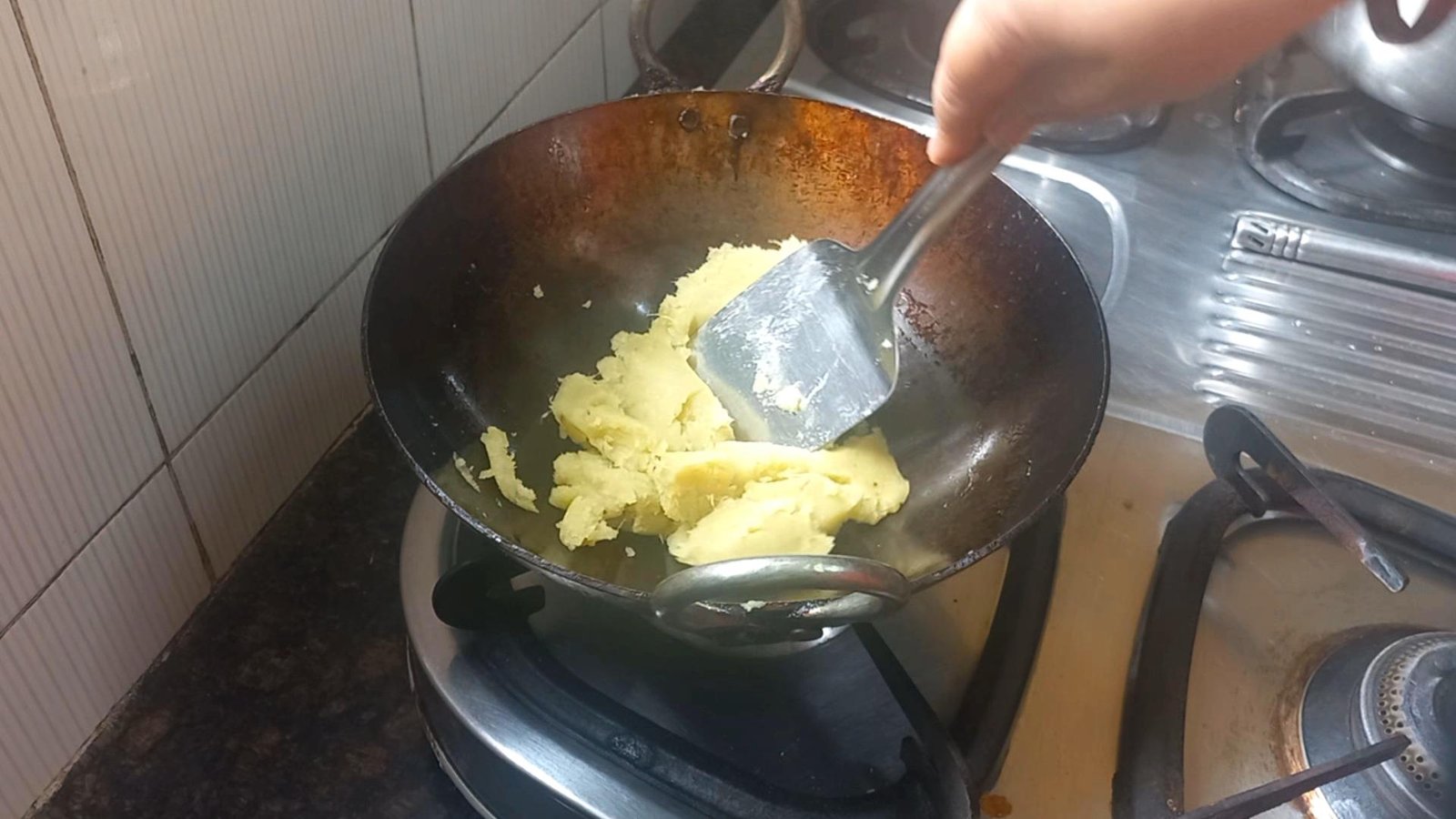
Continue roasting for about four to five minutes, or until the mixture becomes slightly golden and develops a roasted aroma. Adjust the heat if it begins to stick or brown too quickly.
Step 5: Add jaggery and cardamom
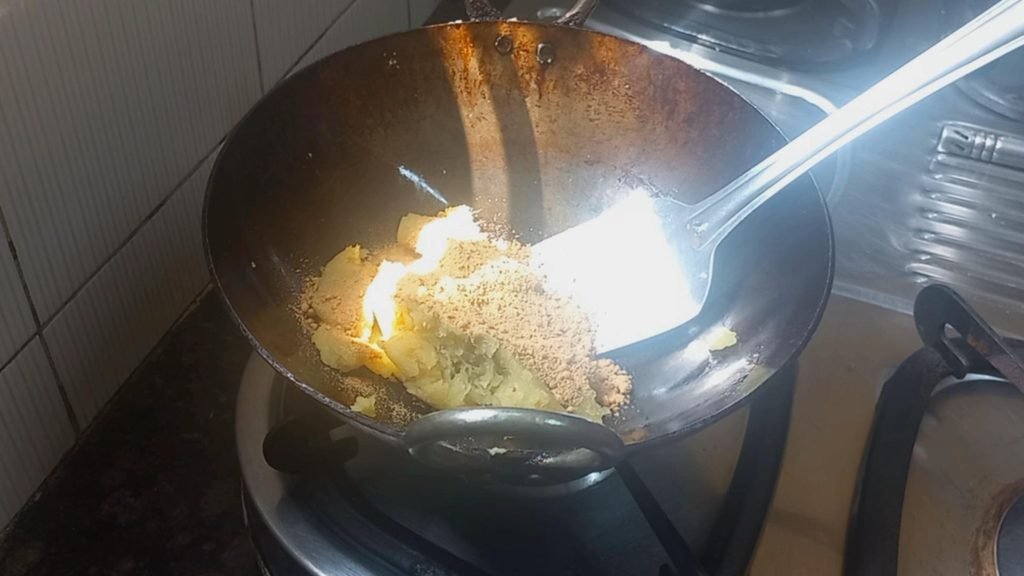
At this stage, add jaggery powder and cardamom powder. Mix well and cook over low heat for another two to three minutes, stirring until the jaggery is evenly incorporated. If the halwa seems too dry, add a little more ghee if desired.
Avoid cooking for too long after adding jaggery, as the mixture may become dry or sticky. Our Delicious sweet potato halwa with jaggery is ready to serve.
Step 6: Garnish and serve
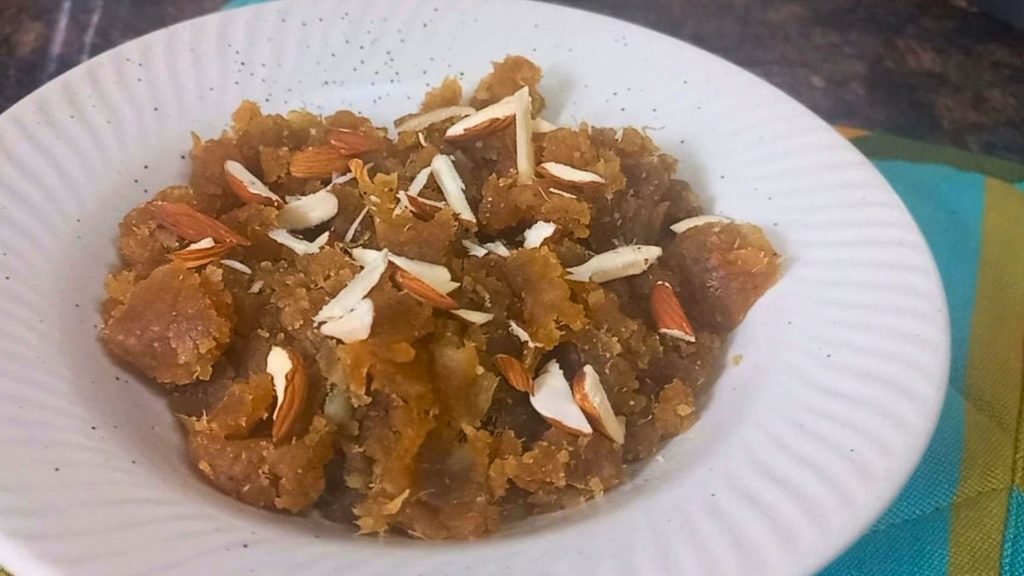
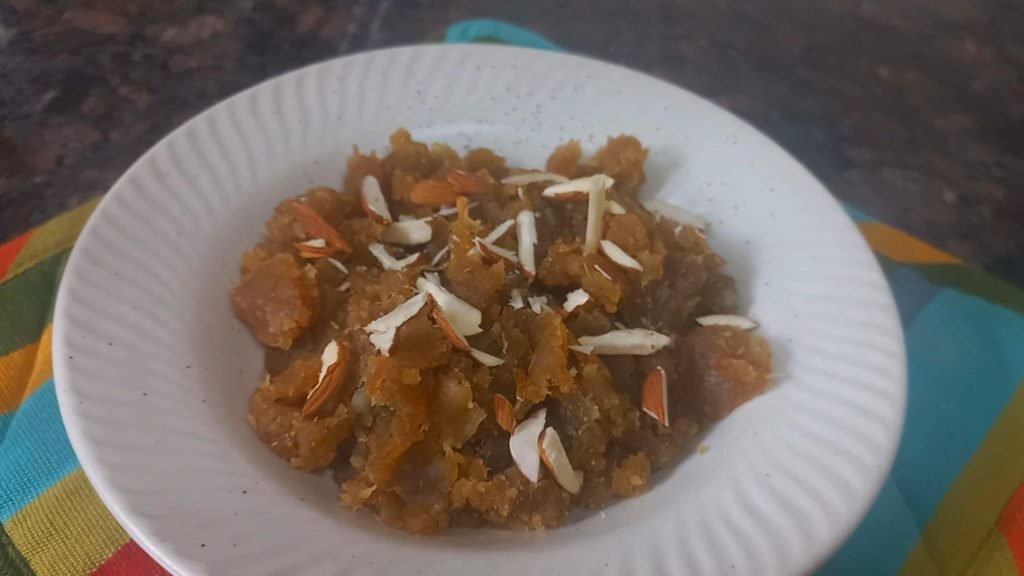
Transfer the halwa to a serving bowl. Garnish with chopped nuts and serve warm. The halwa is best enjoyed freshly prepared.
Tips for the Best Shakarkandi Halwa
- Choose sweet potatoes that are similar in size so that they cook evenly.
- Mash the sweet potatoes while they are still warm for a smoother texture.
- Stir continuously while roasting to prevent sticking and uneven browning.
- Add jaggery gradually, tasting as you go, because the sweetness of sweet potatoes varies.
- Use a heavy-bottomed pan and low heat after adding jaggery.
- If your fasting tradition excludes a particular ingredient, adapt the recipe to your family’s vrat rules.
Serving Suggestions
Serve sweet potato halwa warm in small dessert bowls, garnished with chopped almonds or pistachios. It can be enjoyed after a fasting meal or as a festive dessert.
For a Navratri menu, pair it with other dishes that follow your fasting traditions. You can also serve it as a small homemade sweet after lunch. If you are watching your calorie intake, remember that portion size and the amount of jaggery, ghee and nuts all contribute to the final energy content.
Estimated nutritional value
| Nutrient | Whole recipe | Per serving (½ recipe) |
|---|---|---|
| Energy | 651–697 kcal | 325–348 kcal |
| Protein | 4.2 g | 2.1 g |
| Carbohydrates | 97–109 g | 49–55 g |
| Fat | 28.3 g | 14.2 g |
| Fibre | 7.5 g | 3.8 g |
These are approximate values; the actual result depends on the weight of your tablespoons and the sweet potato variety.
Nutrition disclaimer: The nutritional values are estimated using a nutrition calculation software and may vary slightly depending on the ingredients, brands, and cooking methods used.
Kitchen Tools and Cooking Material I Used
Frequently Asked Questions
1. Can I make sweet potato halwa without refined sugar?
Yes. This recipe uses jaggery powder instead of refined white sugar. However, jaggery still contains sugars and should not be considered sugar-free.
2. Is sweet potato halwa suitable for Navratri fasting?
It may be suitable, depending on your fasting tradition. Check that jaggery, ghee and any nuts or other ingredients you use are permitted under your personal fasting rules.
3. Can I make sweet potato halwa with less ghee?
Yes. This recipe starts with two tablespoon of ghee for 250 g of sweet potato. Use a suitable non-stick or heavy-bottomed pan and stir frequently to prevent sticking.
4. Is sweet potato halwa good for weight loss?
No single dessert promotes weight loss. This version uses a modest amount of ghee, but jaggery, sweet potatoes and nuts still contribute calories. Enjoy an appropriate portion within your overall eating plan.
5. Can people with diabetes eat sweet potato halwa?
Jaggery is not a diabetes-friendly substitute for sugar simply because it is less refined. Sweet potato and jaggery both contribute carbohydrates, which can affect blood glucose. People with diabetes should consider their individual meal plan and portion size and consult their healthcare professional when needed.
6. How should I store leftover halwa?
Refrigerate leftovers promptly in a clean, airtight container and reheat only the portion you need. For best quality, consume within two to three days, and discard it if there are signs of spoilage.
Recipe Card
Sweet Potato Halwa with Jaggery (No Refined Sugar)

Instructions
Step 1: Wash the sweet potatoes
- Wash sweet potatoes thoroughly under running water two to three times to remove any dirt. There is no need to peel them before cooking.
Step 2: Cook in a pressure cooker
- Place a stand inside the pressure cooker and arrange the sweet potatoes on it. Close the lid and remove the whistle. Cook over low heat according to your cooker’s instructions. In this recipe, cooking is planned for approximately 13–15 minutes but the exact time can vary with the size of the sweet potatoes.
- After 15 minutes open the cooker lid.
Step 3: Check, cool and peel
- Check doneness with a knife. If it slides easily into the centre, the sweet potatoes are cooked. Allow them to cool until comfortable to handle, then peel and mash them while still slightly warm.
Step 4: Roast the mashed sweet potato
- Heat two tablespoons of desi ghee in an iron kadai or a good-quality non-stick pan. Add the mashed sweet potato and roast over medium-low heat, stirring continuously to prevent sticking.
- Continue roasting for about four to five minutes, or until the mixture becomes slightly golden and develops a roasted aroma. Adjust the heat if it begins to stick or brown too quickly.
Step 5: Add jaggery and cardamom
- Add jaggery powder and cardamom powder. Mix well and cook over low heat for another two to three minutes, stirring until the jaggery is evenly incorporated. If the halwa seems too dry, add a little more ghee if desired.
- Avoid cooking for too long after adding jaggery, as the mixture may become dry or sticky.
Step 6: Garnish and serve
- Transfer the halwa to a serving bowl. Garnish with chopped nuts and serve warm. The halwa is best enjoyed freshly prepared.
Video
Notes
- Choose sweet potatoes that are similar in size so that they cook evenly.
- Mash the sweet potatoes while they are still warm for a smoother texture.
- Stir continuously while roasting to prevent sticking and uneven browning.
- Add jaggery gradually, tasting as you go, because the sweetness of sweet potatoes varies.
- Use a heavy-bottomed pan and low heat after adding jaggery.
- If your fasting tradition excludes a particular ingredient, adapt the recipe to your family’s vrat rules.
This sweet potato halwa with jaggery is a simple way to prepare a delicious Indian dessert with no refined sugar and very little ghee. Its soft texture, natural sweetness and cardamom aroma make it a lovely addition to your homemade festive recipes.
If you enjoy shakarkandi, try our other sweet potato recipes, including chaat, salad and kheer. Add your favourite garnishes, adjust the sweetness to taste and enjoy this homemade treat in moderation.