
This post may contain affiliate links. If you purchase through these links, I may earn a small commission at no additional cost to you. Check our disclosure policy.
Make crispy Methi Bajra Roti with fresh methi, bajra flour and simple ingredients. An easy winter recipe with a soft dough and crispy texture.
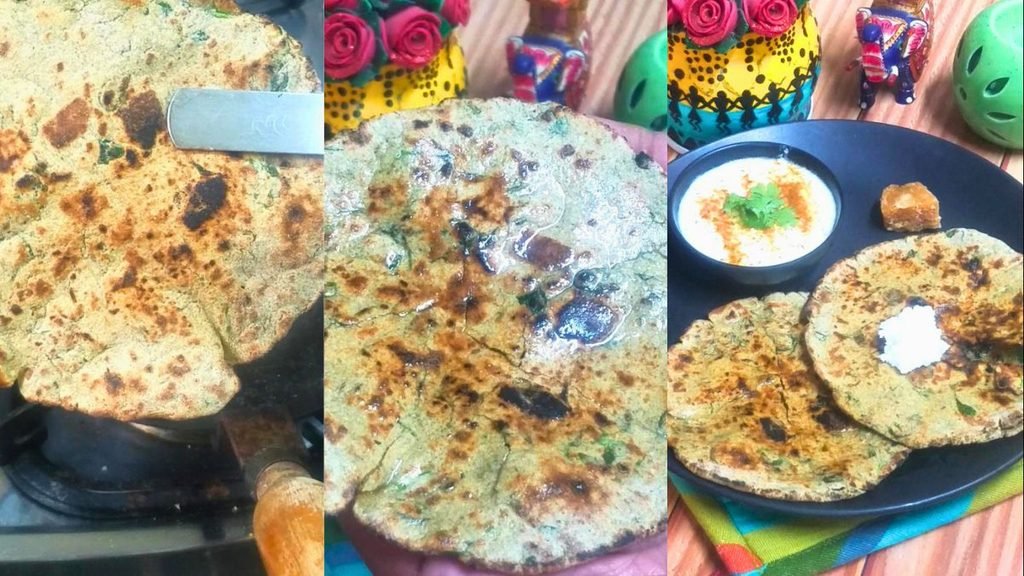
Methi Bajra Roti Recipe – Crispy & Easy Winter Breakfast
When winter arrives, fresh methi leaves and bajra become a wonderful combination for making traditional Indian meals. This Crispy Methi Bajra Roti is a delicious way to enjoy the flavours of fresh fenugreek and pearl millet in a simple homemade recipe.
Made with bajra flour, fresh methi leaves, jeera, ginger and green chilli, this roti has a rustic flavour and a crispy texture. Unlike regular wheat rotis, bajra rotis can sometimes be difficult to roll because millet flour doesn’t contain gluten. In this recipe, we use a simple hot-water technique that helps bring the dough together and makes rolling easier.
You can enjoy these methi bajra rotis with curd, homemade pickle, chutney, dal or your favourite winter sabzi.
Try out my other healthy breakfast recipes made with millets- Ragi idli without rice, jowar idli, millet flakes granola, ragi uttapam, samak rice upma
My Latest Recipe Video
Why You’ll Love This Methi Bajra Roti
- Made with simple everyday ingredients.
- A delicious way to use fresh winter methi.
- Naturally gluten-free.
- Easy hot-water dough method.
- A traditional Indian millet recipe.
- Delicious with curd, chutney, pickle or sabzi.
Ingredients for Methi Bajra Roti
Bajra Atta (Pearl Millet Flour)
Bajra atta is the main ingredient in this recipe. Pearl millet is traditionally consumed in many parts of India, particularly during winter. It provides dietary fibre, plant-based protein and minerals. Bajra flour has a distinctive earthy flavour that pairs beautifully with fresh methi.
Check out my other bajra recipes– bajra khichdi, alsi bajra panjiri, bajra methi thepla
Fresh Methi Leaves
Fresh fenugreek leaves give this roti a wonderful aroma and slightly bitter, earthy flavour. Finely chopping the methi makes it easier to mix evenly into the dough. Wash the leaves thoroughly and remove thick stems before chopping.
Besan
Besan or chana flour can be added to help bind the dough and make it easier to handle. It also adds flavour and contributes additional plant protein. If you prefer a traditional bajra-only dough, you can skip it, but the dough may require a little extra care while rolling.
Jeera (Cumin Seeds)
Jeera adds a warm, aromatic flavour that complements bajra and methi. It is commonly used in Indian flatbreads and enhances the flavour of this simple recipe.
Ginger and Green Chilli Paste
Ginger and green chilli add freshness, warmth and a little spice. Adjust the quantity according to your taste.
Oil, Salt and Water
A little oil helps with the dough texture, while salt enhances flavour. Water is used to cook the methi and prepare the hot-water dough.
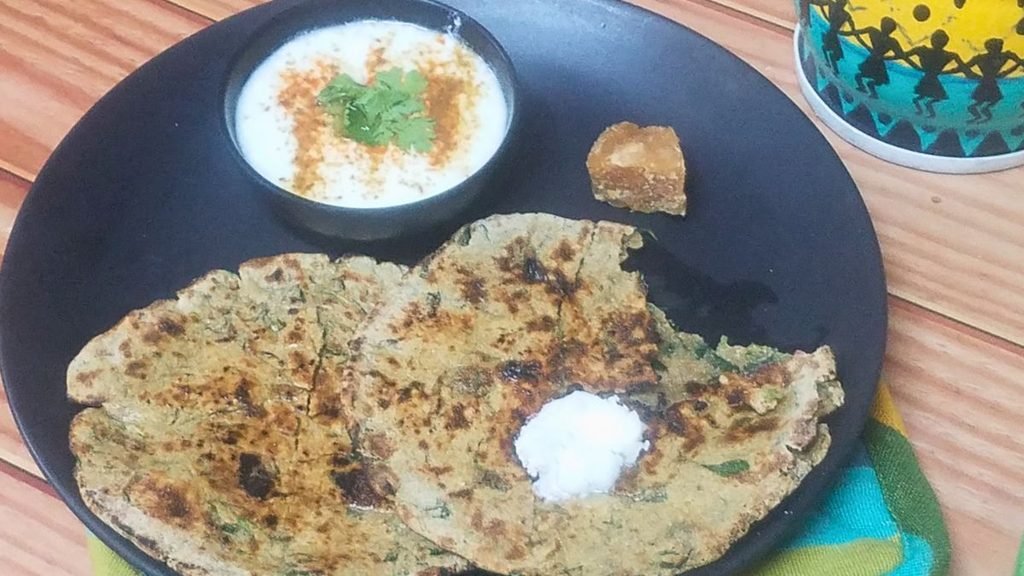
Ingredients
- 1 cup bajra atta
- 1 cup finely chopped fresh methi leaves
- 1/2 cup water
- 1 tsp oil
- 1/2 tsp Jeera
- Salt, to taste
- 1/2 tsp Ginger-green chilli paste
- 1/3 cup besan
- Bajra atta, for dusting
- Ghee or butter, for serving (optional)
How to Make Methi Bajra Roti
Step 1: Cook the Methi
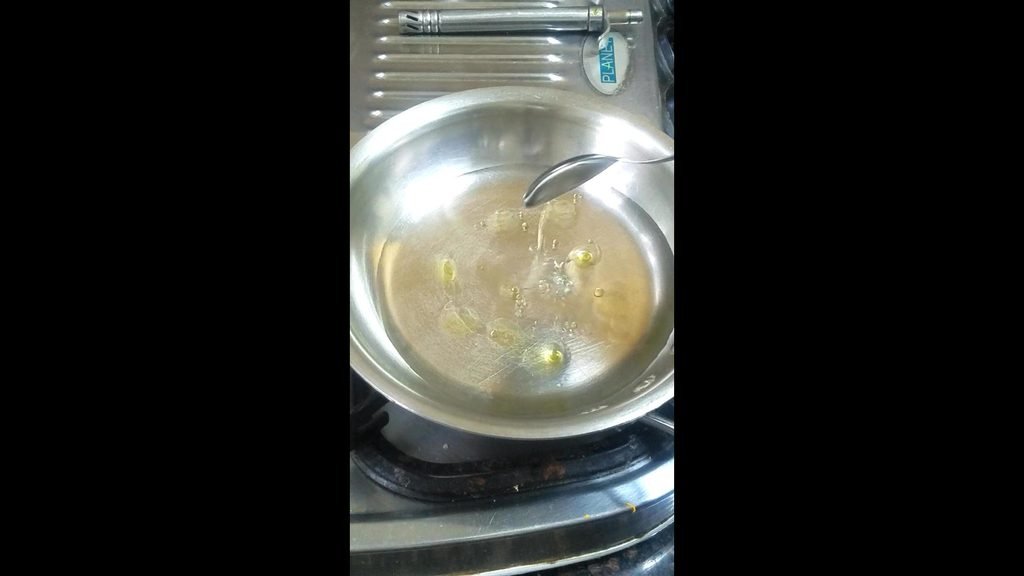
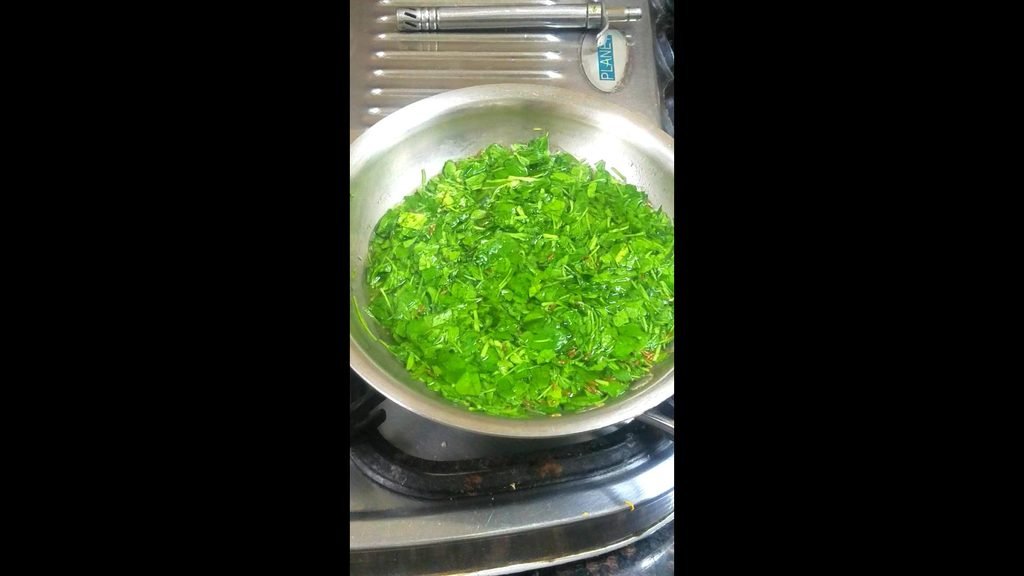
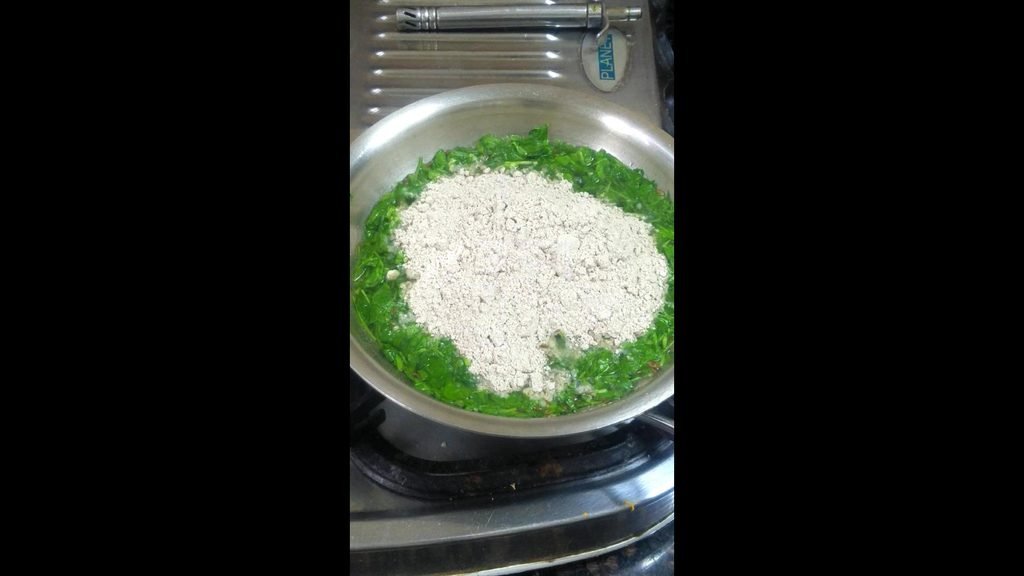
Place a pan on the gas stove. Add half a cup of water, oil, salt and jeera. Add finely chopped methi leaves and mix well. Let the water come to a boil.
Step 2: Add Bajra Flour
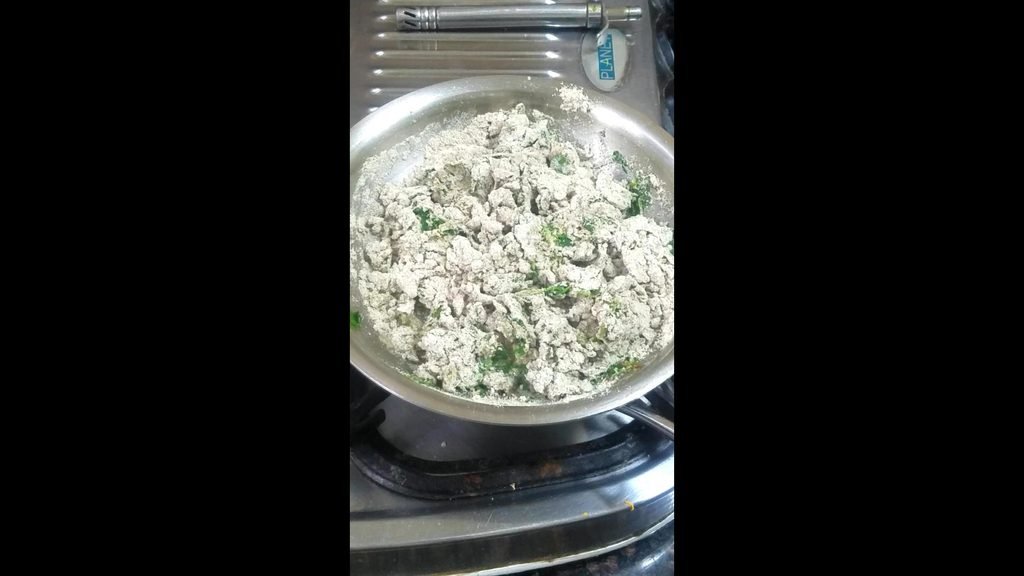
Once the water starts boiling, add bajra atta. Mix thoroughly until the flour absorbs the water and forms a thick mixture. Switch off the gas.
Cover the pan and leave the mixture to rest for 10 minutes. This resting period allows the mixture to cool down slightly before kneading.
Step 3: Prepare the Dough
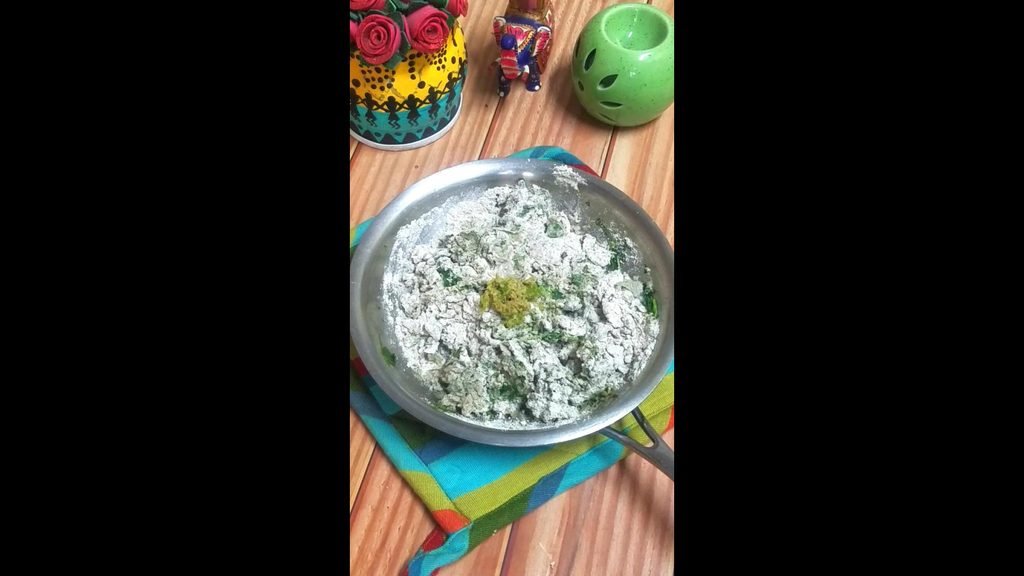
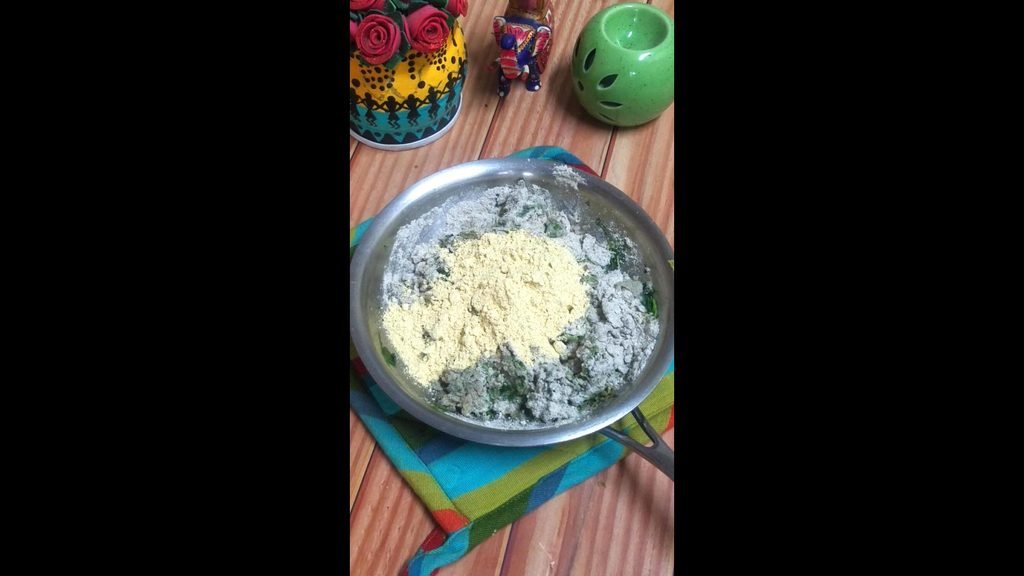
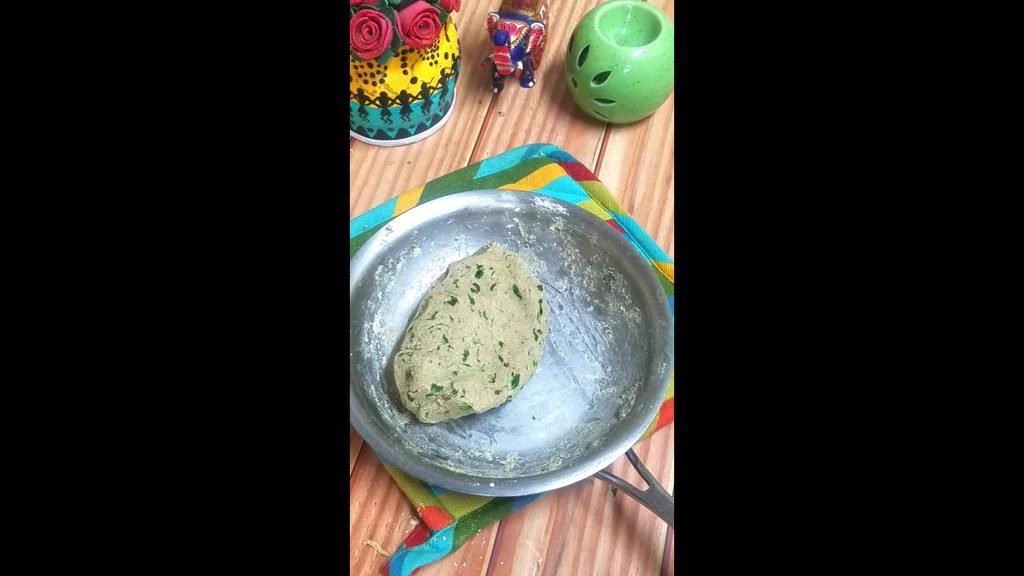
After 10 minutes, add ginger-green chilli paste and optional besan. Mix everything well and knead into a medium-soft dough.
If the dough feels too dry, add a little warm water carefully. If it feels sticky, use a small amount of bajra flour while kneading.
Step 4: Roll the Rotis
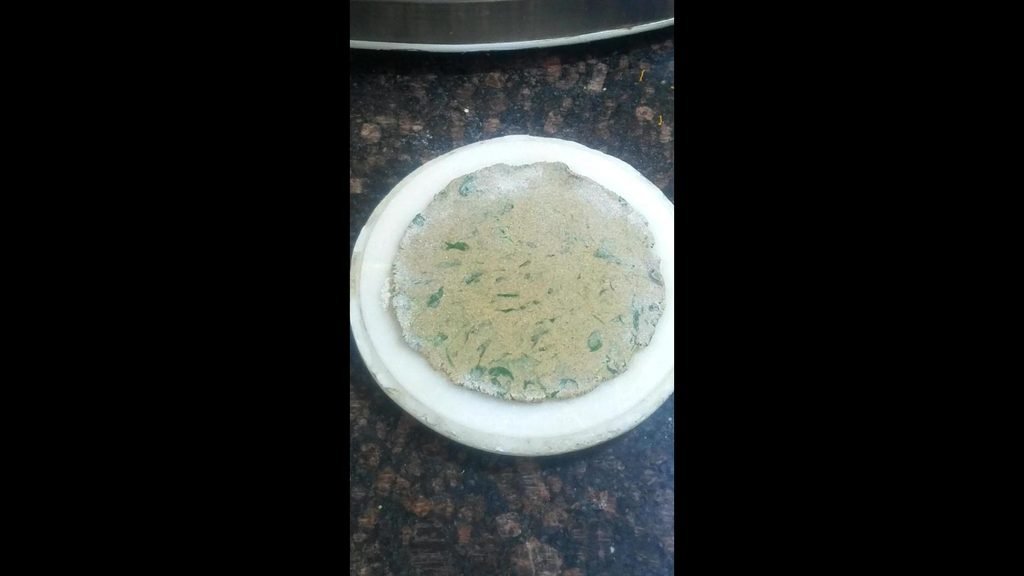
Divide the dough into small balls. Dust each ball with bajra flour and gently roll it into a slightly thick roti.
Don’t apply too much pressure while rolling. If the edges crack, gently press them together with your fingers. Bajra rotis are easier to roll when they are slightly thicker than regular wheat rotis.
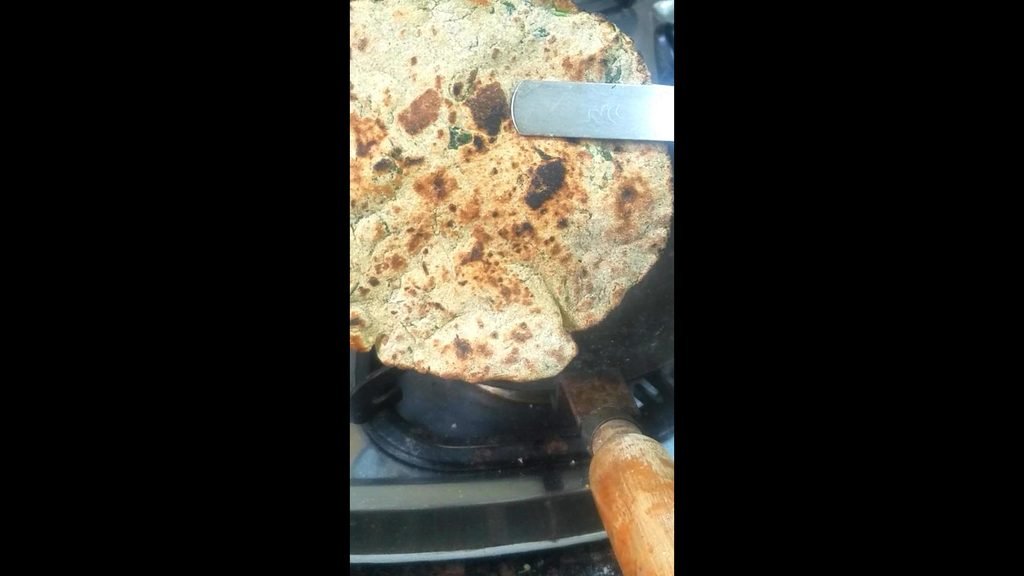
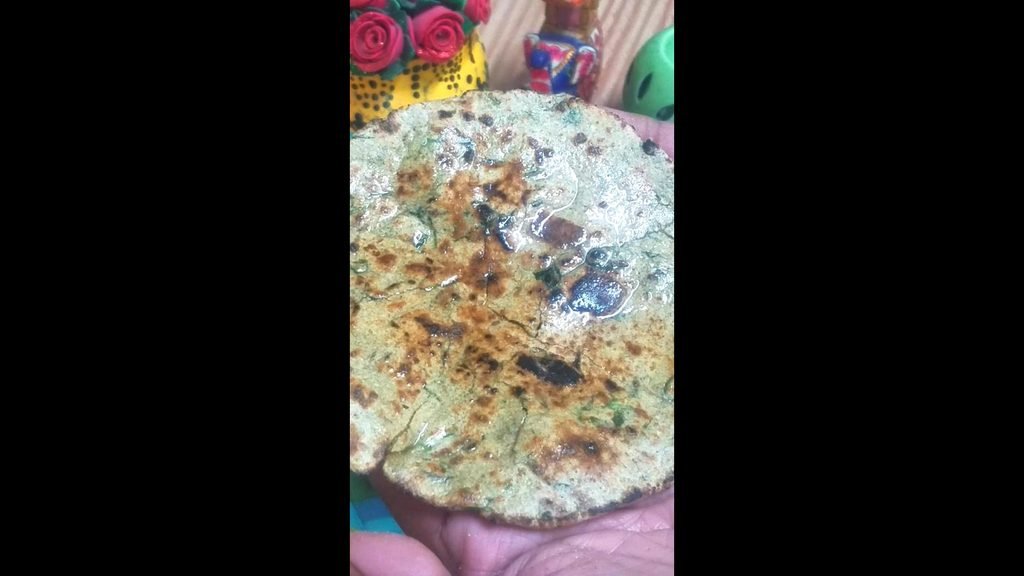
Step 5: Cook the Roti
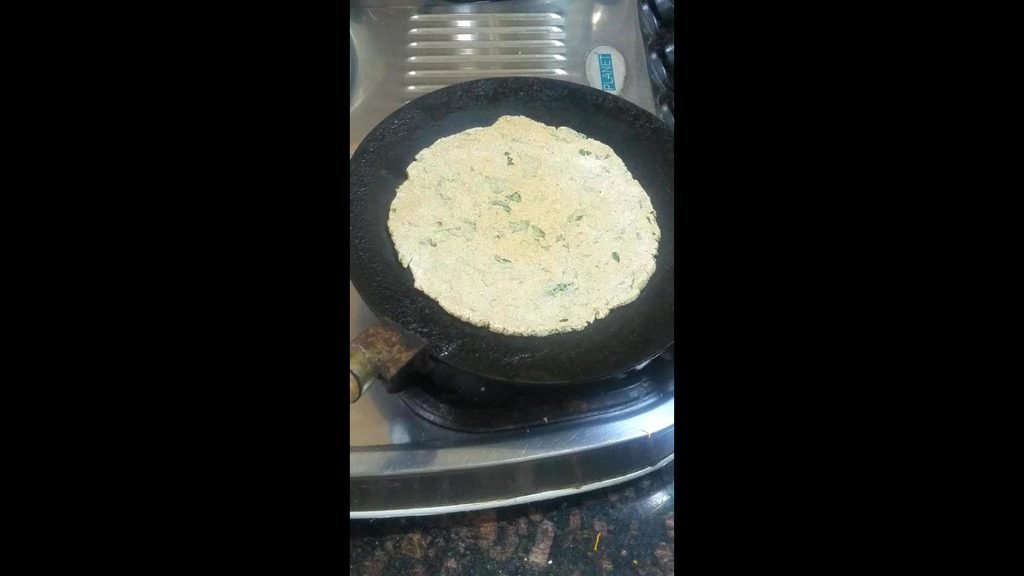
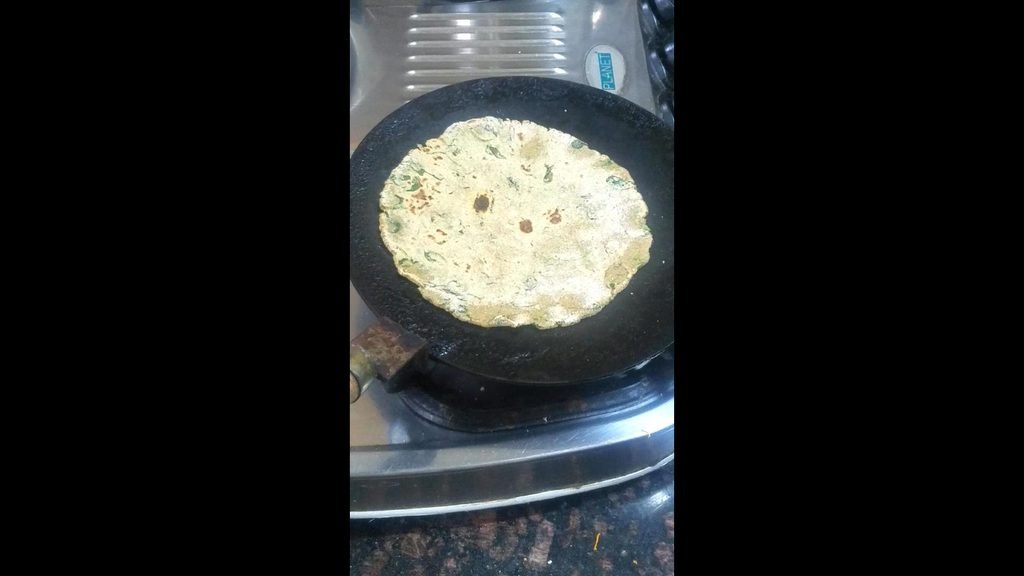
Heat a tawa and place the rolled roti on it. Cook on medium heat for a few seconds, then flip it.
Cook both sides for approximately 30–40 seconds or until the roti begins to cook. Transfer it to direct flame and cook carefully, flipping as needed, until fully cooked and crispy.
If you don’t want to use direct flame, cook the roti on the tawa, pressing gently with a spatula until it is cooked through.
Step 6: Serve
Apply a little ghee or butter, if desired, and serve hot.
Serving Suggestions
These crispy methi bajra rotis taste delicious with:
- Homemade curd or plain yoghurt
- Green coriander chutney
- Garlic chutney
- Aloo or seasonal vegetable sabzi
- Punjabi-style pickle
- Dal or a simple winter vegetable curry
For a traditional winter meal, serve two rotis with homemade curd and seasonal sabzi.
Tips for Making Crispy Bajra Roti
- Finely chop the methi leaves so they distribute evenly in the dough.
- Don’t skip the resting period after adding bajra flour to boiling water.
- Knead the dough while it is warm enough to handle but not hot.
- Avoid rolling the roti too thin.
- Use gentle pressure while rolling.
- Keep the tawa properly heated.
- Cook the roti thoroughly before serving.
- If making several rotis, keep the dough covered to prevent it from drying.
Frequently Asked Questions
1. Why does bajra roti crack while rolling?
Bajra flour doesn’t contain gluten, so the dough lacks the elasticity of wheat dough. Using warm water and kneading the dough while it is still slightly warm can help. Roll gently and press cracked edges together.
2. Can I skip besan in methi bajra roti?
Yes. Besan is optional. You can make the roti with bajra flour alone, but it may require slightly more care while kneading and rolling.
3. Is methi bajra roti gluten-free?
Bajra is naturally gluten-free. However, if you use besan, cross-contamination can occur during manufacturing. If you need strict gluten avoidance, check all ingredient labels and use uncontaminated ingredients and utensils.
4. Can I make methi bajra roti without direct flame?
Yes. Cook it on a tawa on medium heat, flipping and pressing gently until the roti is fully cooked. It may not puff in the same way as direct-flame cooking.
5. What should I serve with bajra methi roti?
Curd, pickle, green chutney, dal, paneer dishes and seasonal vegetable sabzi are excellent accompaniments.
6. Can I prepare the dough in advance?
Bajra dough is best prepared fresh because it can dry out and become harder to roll. If you need to prepare it ahead, keep it covered and use it as soon as possible.
Kitchen Tools and Products I used
Nutritional Value of Methi Bajra Roti
Serving size: 1 serving (approximately 2 rotis)
Nutritional value per serving (estimated):
- Calories: 230 kcal
- Protein: 8.3 g
- Carbohydrates: 38.3 g
- Fat: 4.3 g
- Fibre: 6 g
The nutritional values are estimated using a nutrition calculation software and may vary slightly depending on the ingredients, brands, and cooking methods used and when no extra ghee or butter is applied.
Recipe Card
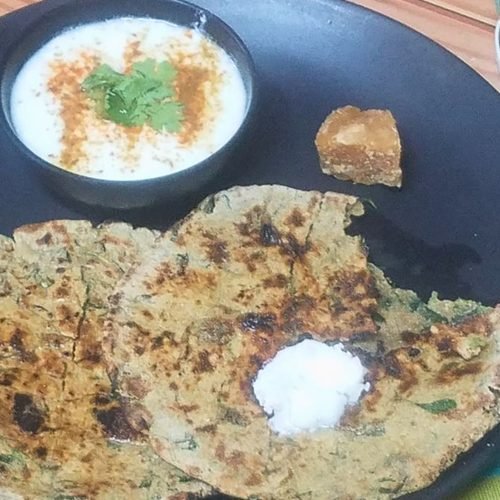
Crispy Methi Bajra Roti Recipe | Easy Gluten Free Winter Special Recipe

Ingredients
- 1 cup bajra atta
- 1 cup finely chopped fresh methi leaves
- ½ cup water
- 1 tsp oil
- ½ tsp Jeera to taste
- Salt to taste
- ½ tsp Ginger-green chilli paste to taste
- ⅓ cup besan optional
- Bajra atta for dusting
- Ghee or butter for serving (optional)
Instructions
Step 1: Cook the Methi
- Place a pan on the gas stove. Add half a cup of water, oil, salt and jeera. Add finely chopped methi leaves and mix well. Let the water come to a boil.
Step 2: Add Bajra Flour
- Once the water starts boiling, add bajra atta. Mix thoroughly until the flour absorbs the water and forms a thick mixture. Switch off the gas.
- Cover the pan and leave the mixture to rest for 10 minutes. This resting period allows the mixture to cool down slightly before kneading.
Step 3: Prepare the Dough
- After 10 minutes, add ginger-green chilli paste and optional besan. Mix everything well and knead into a medium-soft dough.
- If the dough feels too dry, add a little warm water carefully. If it feels sticky, use a small amount of bajra flour while kneading.
Step 4: Roll the Rotis
- Divide the dough into small balls. Dust each ball with bajra flour and gently roll it into a slightly thick roti.
- Don’t apply too much pressure while rolling. If the edges crack, gently press them together with your fingers. Bajra rotis are easier to roll when they are slightly thicker than regular wheat rotis.
Step 5: Cook the Roti
- Heat a tawa and place the rolled roti on it. Cook on medium heat for a few seconds, then flip it.
- Cook both sides for approximately 30–40 seconds or until the roti begins to cook. Transfer it to direct flame and cook carefully, flipping as needed, until fully cooked and crispy.
- If you don’t want to use direct flame, cook the roti on the tawa, pressing gently with a spatula until it is cooked through.
Step 6: Serve
- Apply a little ghee or butter, if desired, and serve hot.
Video
Notes
- Finely chop the methi leaves so they distribute evenly in the dough.
- Don’t skip the resting period after adding bajra flour to boiling water.
- Knead the dough while it is warm enough to handle but not hot.
- Avoid rolling the roti too thin. Use gentle pressure while rolling.
- Keep the tawa properly heated. Cook the roti thoroughly before serving.
- If making several rotis, keep the dough covered to prevent it from drying.
This crispy Methi Bajra Roti is a simple, flavourful winter recipe made with fresh methi, bajra flour and a few everyday ingredients. The hot-water technique helps make the dough easier to handle, and the slightly thick rotis turn deliciously crispy when cooked properly.
Try this traditional winter recipe with curd, pickle or homemade sabzi and enjoy the flavour of fresh methi and bajra in your everyday meals.


