
This post may contain affiliate links. If you purchase through these links, I may earn a small commission at no additional cost to you. Check our disclosure policy
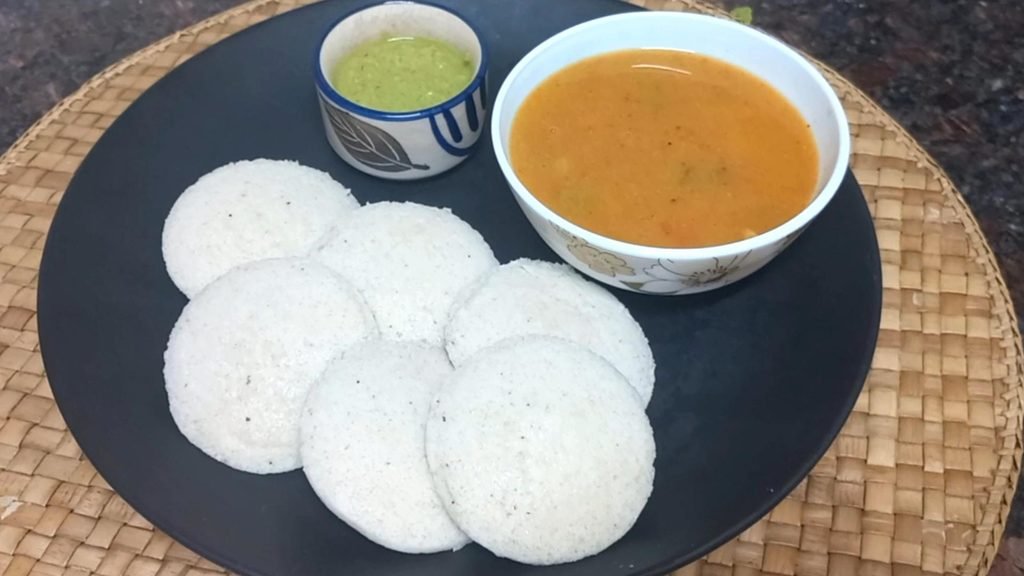
Learn how to make soft and spongy jowar idli without rice. This healthy millet idli recipe uses jowar, urad dal, chana dal and poha.
About Soft & Spongy Jowar Idli Recipe
Looking for a healthy twist to your regular idli? Try this soft and spongy No Rice Jowar Idli made with whole jowar, urad dal, chana dal and poha. Jowar, also known as sorghum, is a naturally gluten-free whole grain and is a source of dietary fiber and several micronutrients.
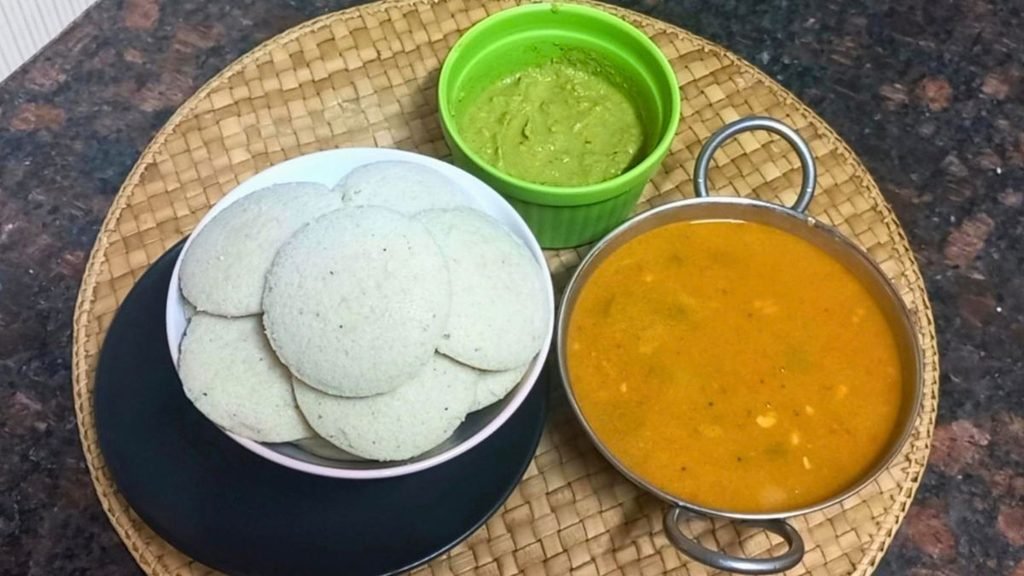
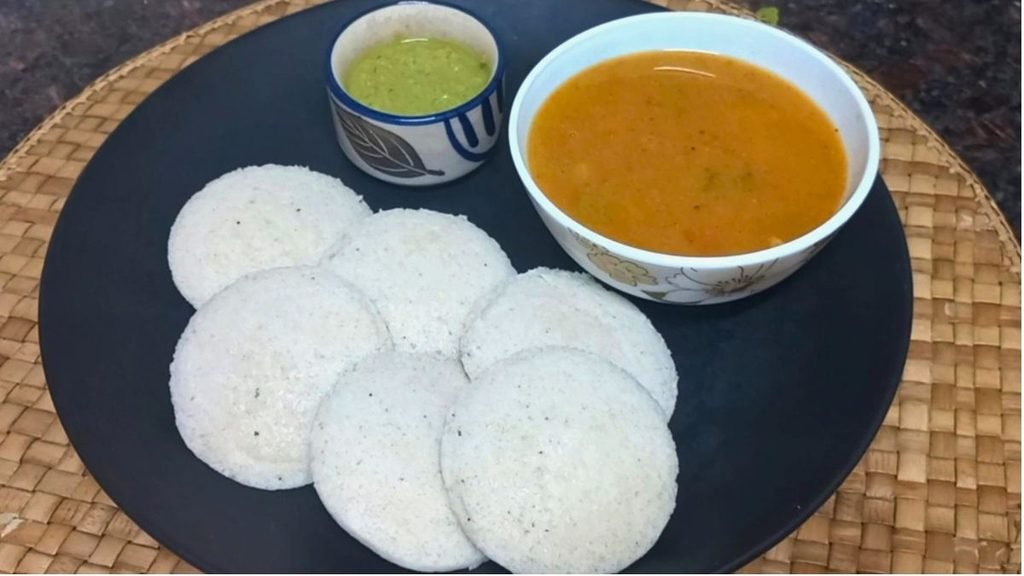
Instead of making idli entirely with rice, this recipe uses jowar as the main grain, along with lentils for a balanced batter. The result is a light, fluffy idli that pairs beautifully with hot sambar and coconut-peanut chutney. This millet idli recipe requires no rice, eno, baking powder or baking soda.
And the best part? You don’t need any fancy ingredients.
Jowar is one of the major Indian millets, along with bajra and ragi. For more information about Indian millets, see APEDA’s Indian Millets resource
Looking for some more healthy and delicious jowar recipes for breakfast or snacks, try out my Jowar Oats Pancake, jowar oats cookies, and
My Latest Recipe Video
Why You’ll Love This Soft Jowar (Sorghum)Idli Recipe
- Made with whole jowar
- No refined flour
- Naturally gluten-free ingredients
- Soft and fluffy when properly fermented
- No eno, baking powder or baking soda
- Vegetarian
- Great for breakfast
- Can be served with sambar and chutney
- Easy to prepare with basic pantry ingredients
Sorghum is included among naturally gluten-free whole grains. Read more about whole grains
Ingredients for Jowar Idli
Whole Jowar
Jowar, or sorghum, is the main grain used in this recipe. It gives the idlis a mild earthy flavour and makes this a delicious way to experiment with millet-based breakfasts. Jowar (sorghum) is a traditional millet and provides protein, fibre and several minerals. For more information about millets and their nutritional profile, you can refer to the FSSAI guidance on millets
Washed Urad Dal
Urad dal is an important ingredient in traditional idli batter. It contributes protein and helps create the soft, airy structure that we associate with fluffy idlis.
Chana Dal
Chana dal adds a slightly nutty flavour and contributes protein and fiber to the batter.
Poha
Poha helps improve the texture of the idlis and contributes to a softer, lighter batter.
Methi Seeds
Methi seeds are traditionally used in fermented idli and dosa batters. They also add a subtle flavour and are useful when preparing fermented batters.
Salt
Only a small amount of salt is needed after fermentation.
How to Make Jowar Idli
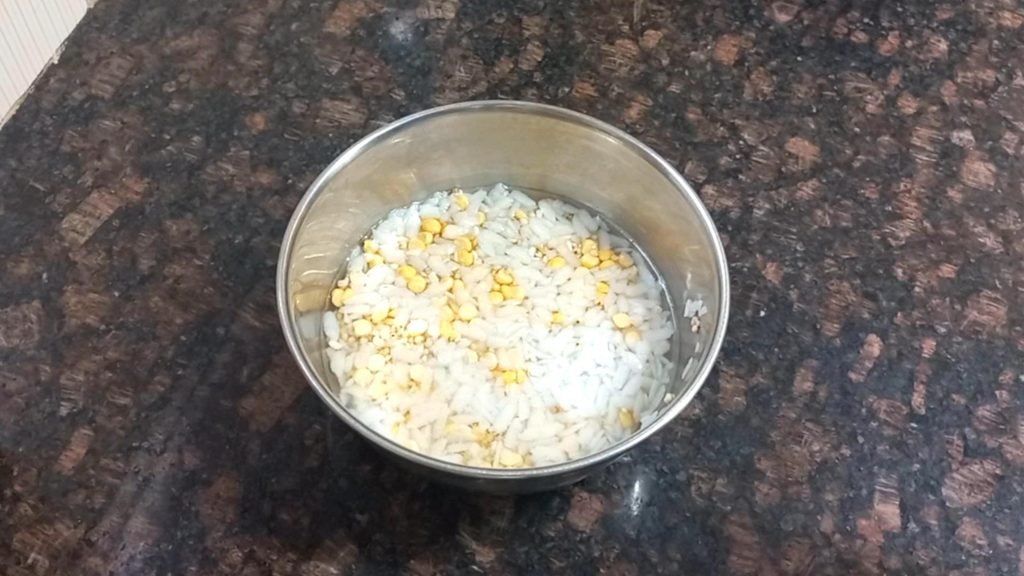
1. Soak the Ingredients
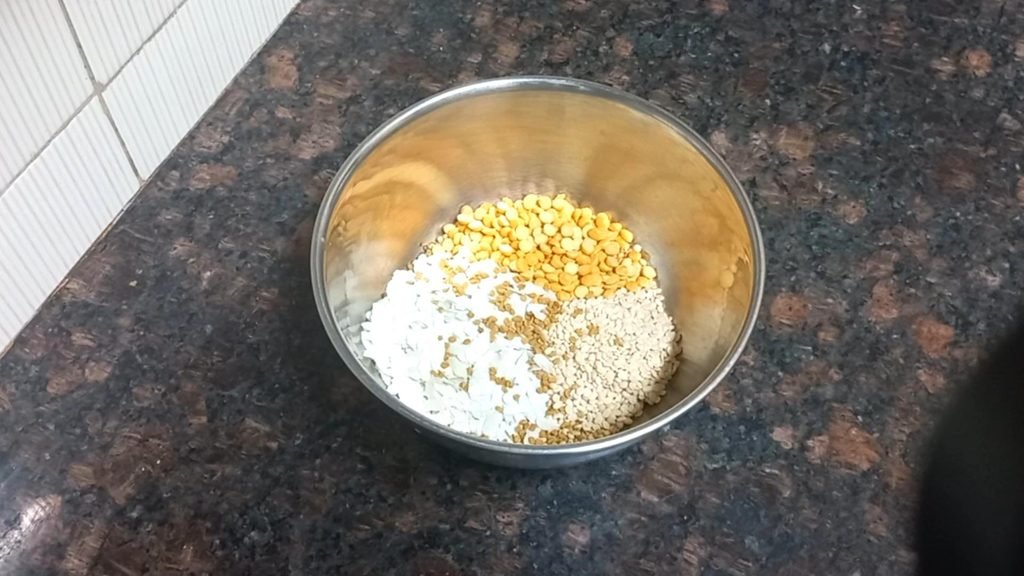
Add jowar, urad dal, chana dal, poha and methi seeds to a large bowl. Wash everything 2–3 times with water.
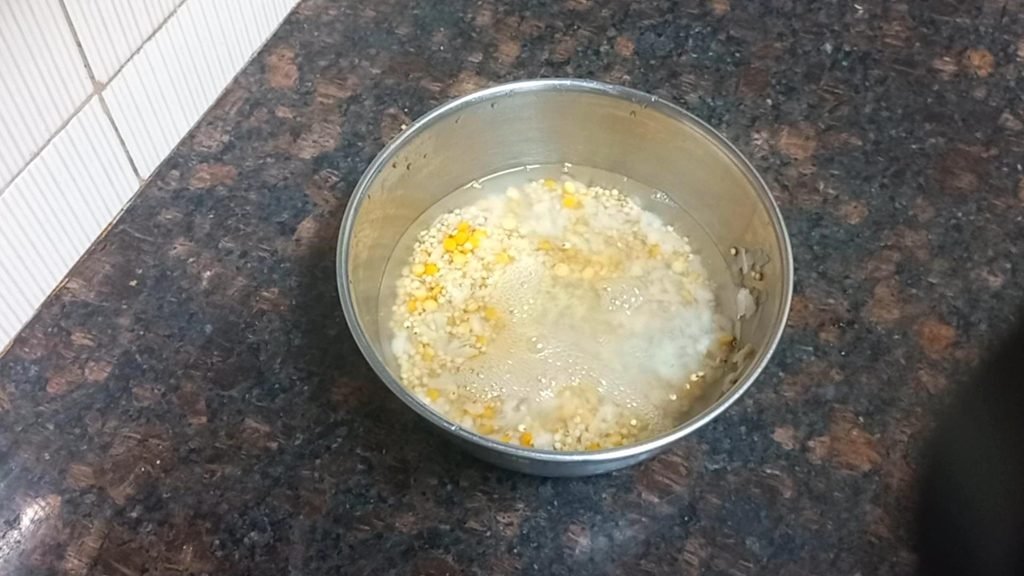
Add enough water to keep approximately 1 inch of water above the ingredients. Cover and soak for 4–5 hours.
2. Grind the Batter
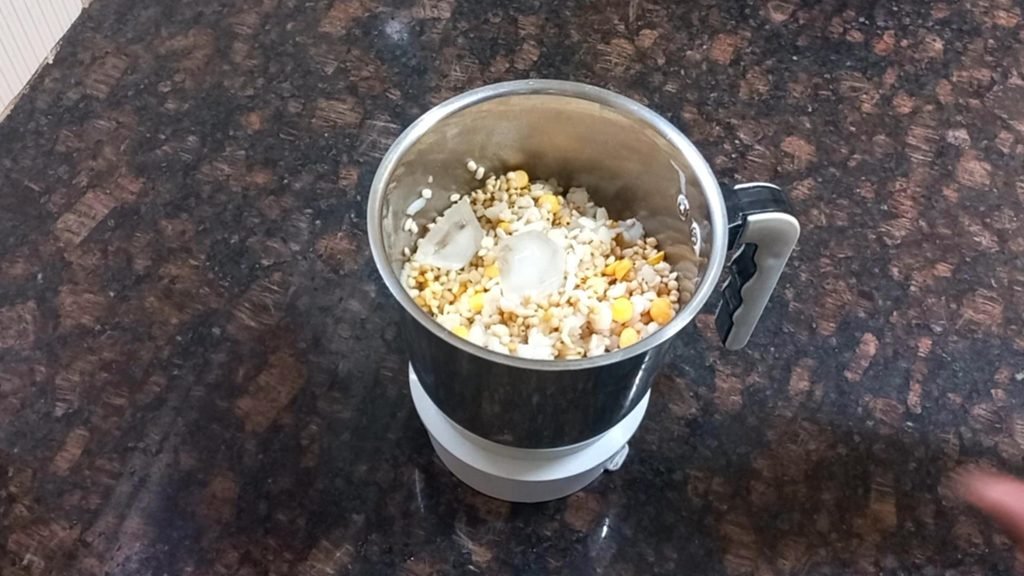
After soaking, the grains and dals will swell. Strain the excess water. Transfer the soaked mixture to a grinder jar and add 2-3 ice cubes.
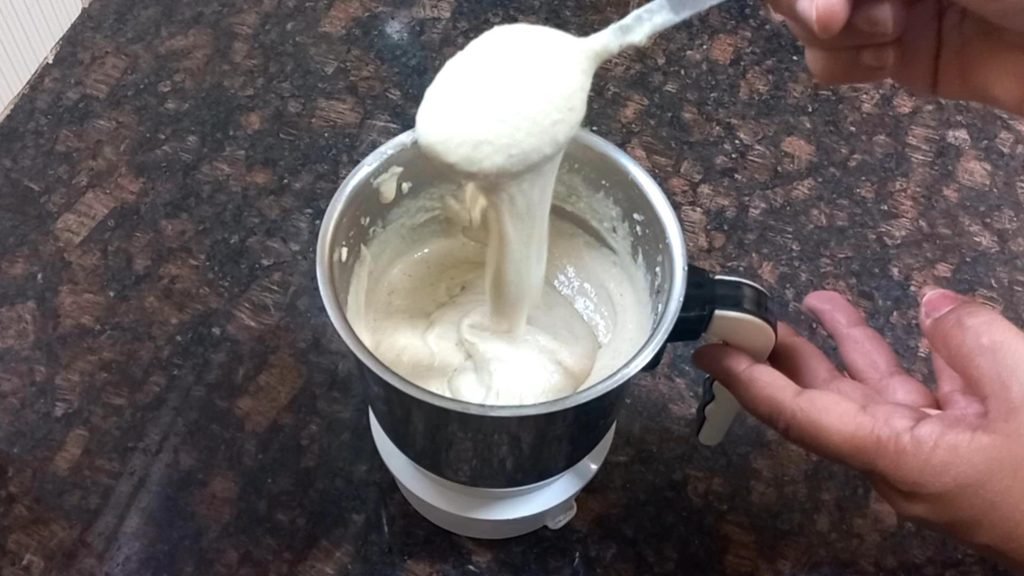
Grind into a smooth, thick batter. Add 2–3 tablespoons of water if required while grinding.
The exact amount of water can vary depending on the ingredients and soaking conditions, so avoid adding too much at once.
3. Whisk the Batter
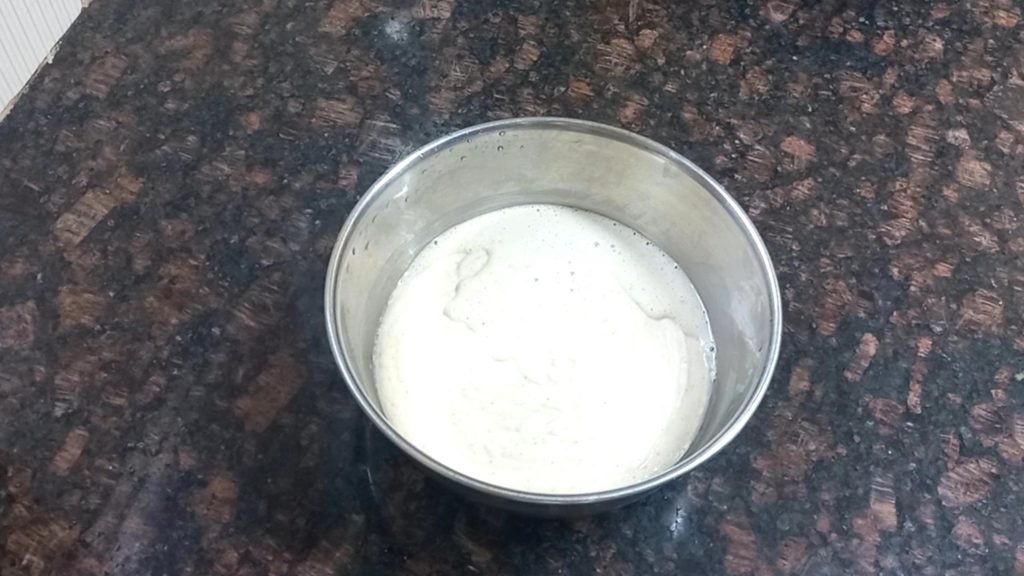
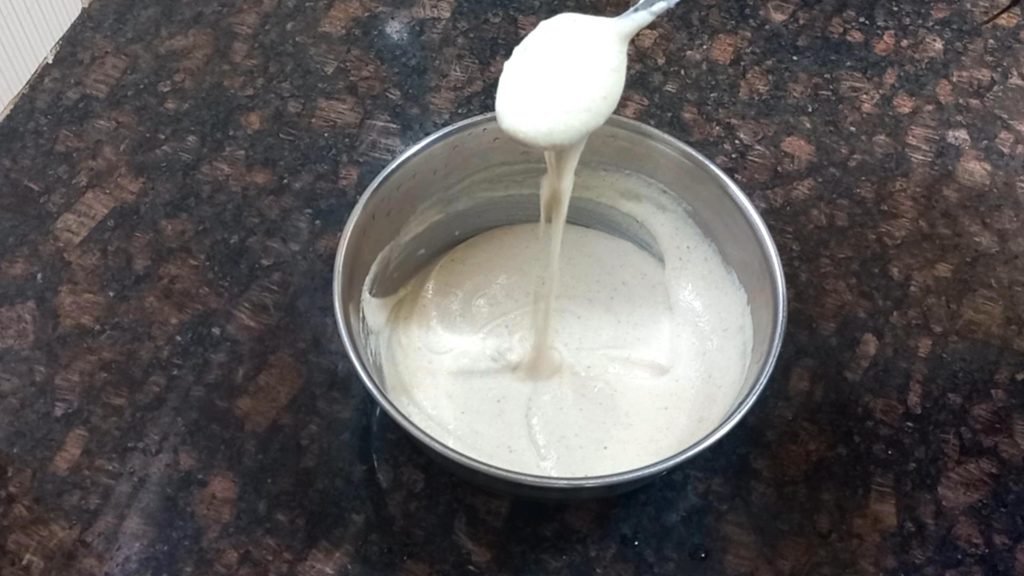
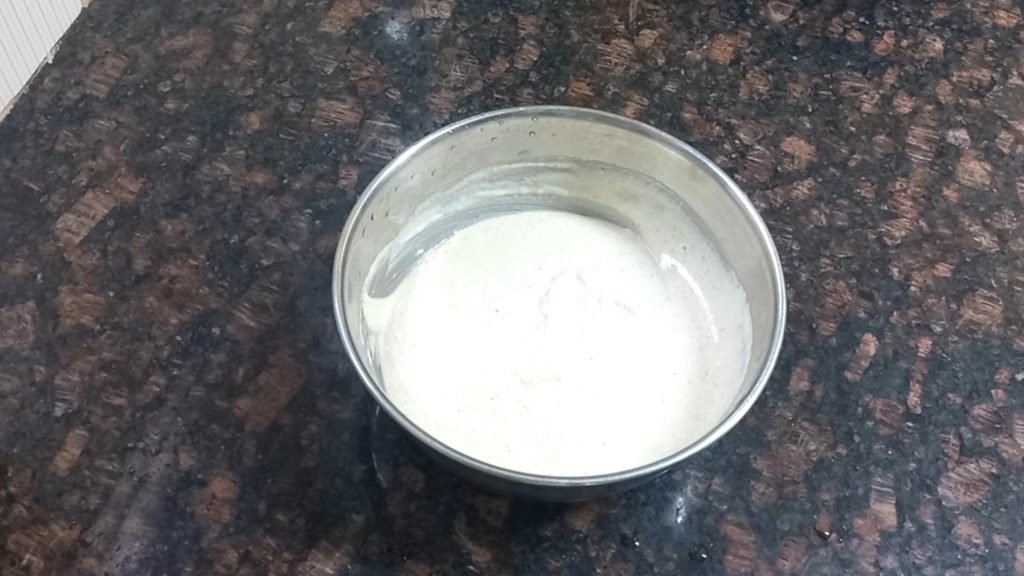
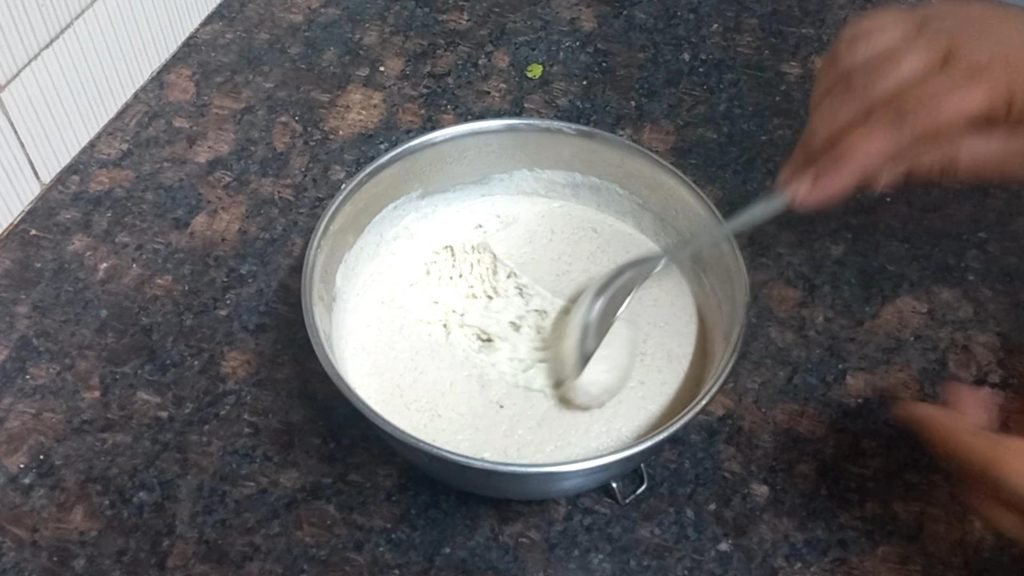
Transfer the batter to a large bowl. Now comes an important step for fluffy idlis. Whisk the batter continuously for around 4–5 minutes.
You will notice that the batter becomes lighter in colour and slightly airy. This simple step helps incorporate air into the batter and can contribute to a lighter texture.
4. Ferment the Batter
Cover the bowl and leave the batter to ferment. During warm weather, it may take around 8–10 hours. In colder weather, fermentation may take around 12–14 hours or longer, depending on room temperature. The batter should look slightly risen and bubbly when properly fermented.
5. Add Salt
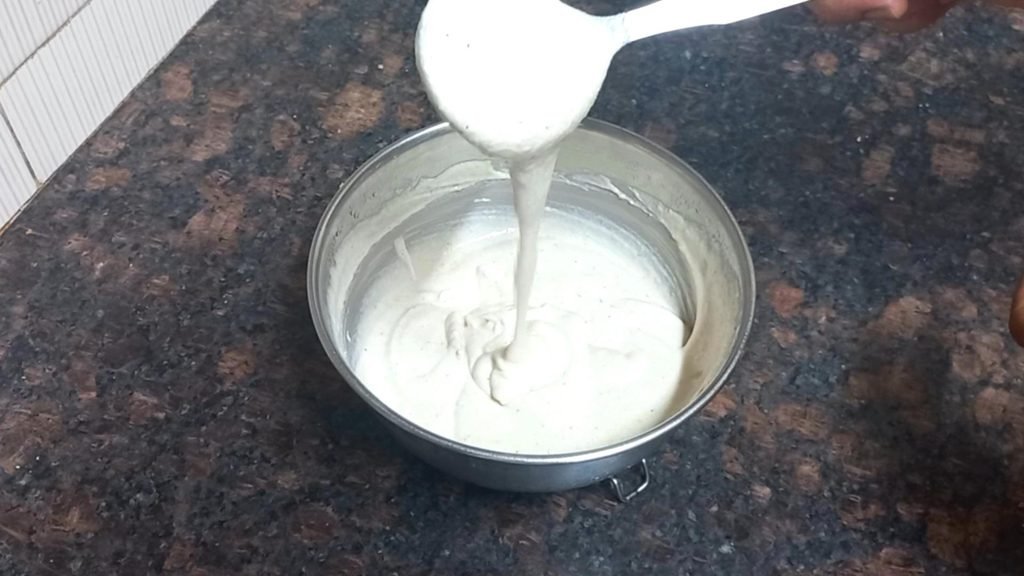
Once fermented, gently mix the batter. Add approximately ¼ tsp salt and mix again.
Avoid aggressively stirring the batter because you don’t want to knock out all the air.
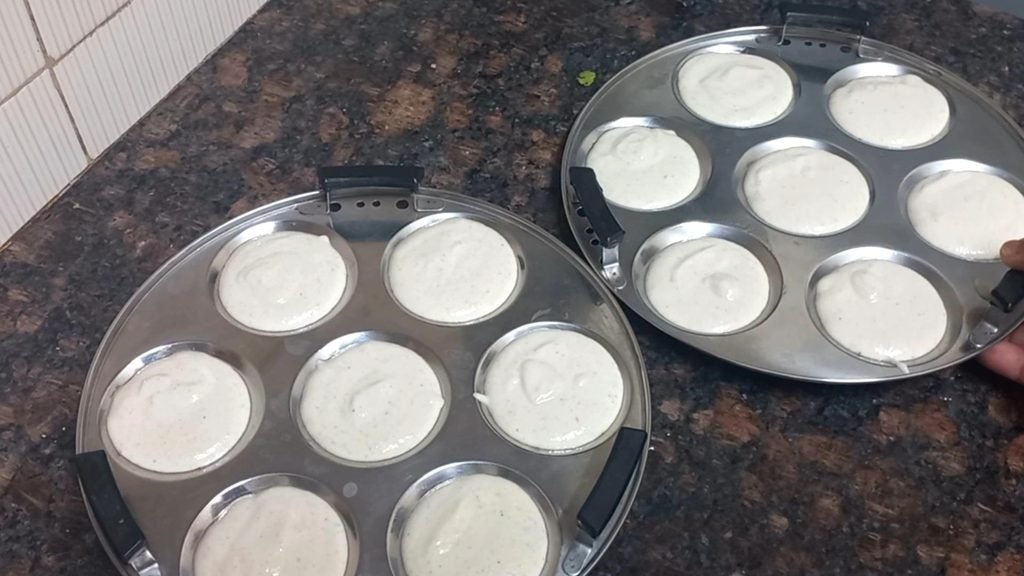
6. Steam the Idlis
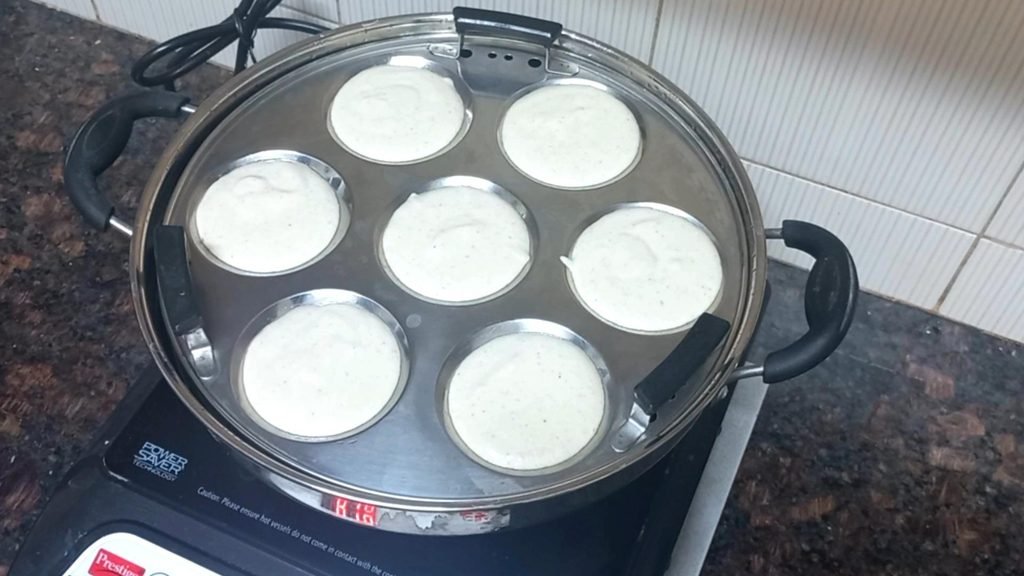
Grease the idli moulds lightly with oil. Pour the batter into the moulds, leaving some space at the top because the idlis will expand while steaming.
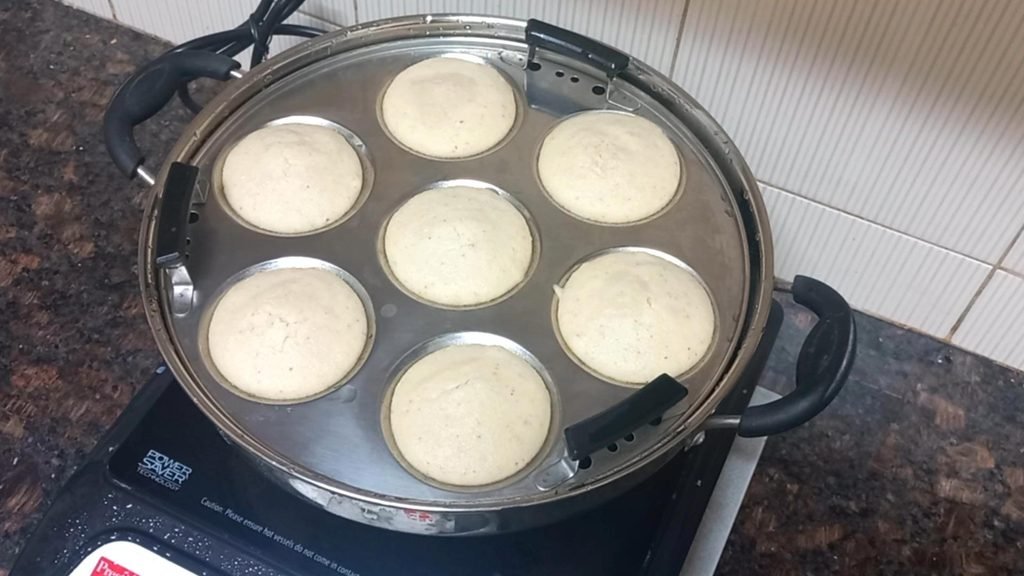
Place the moulds in a preheated steamer with boiling water. Cover and steam for approximately 12–13 minutes.
7. Demould
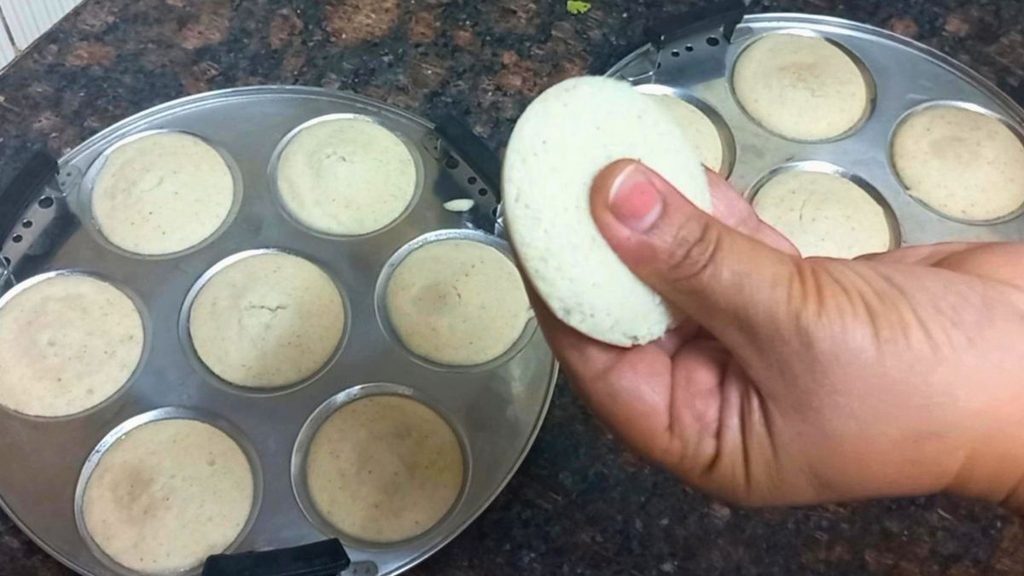
After steaming, check an idli by lightly touching the surface. If it doesn’t feel wet or sticky, the idlis are ready.
Remove the trays and allow them to rest for 1–2 minutes. Gently remove the idlis from the moulds.
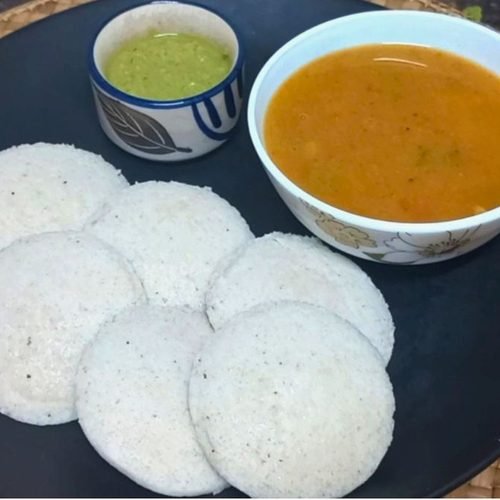
You should have soft, fluffy and spongy jowar idlis ready to serve.
Serving Suggestions
Serve these healthy jowar idlis hot with:
- Vegetable sambar
- Coconut-peanut chutney
- Tomato chutney
- Coriander chutney
- Peanut chutney
- Vegetable stew
For a wholesome millet breakfast, serve 3–4 jowar idlis with sambar and a chutney.
Adding sambar also makes the meal more substantial because it contributes vegetables and pulses.
Nutritional Value of Jowar Idli Without Rice
Approximate nutrition per serving: 3 idlis
| Nutrient | Approximate Value |
|---|---|
| Energy | ~130 kcal |
| Protein | ~5.5–6 g |
| Fat | ~1.5–2 g |
| Dietary Fiber | ~4–4.5 g |
The nutritional values are estimated using a nutrition calculation software and may vary slightly depending on the ingredients, brands, and cooking methods used.
Because the recipe includes jowar along with urad dal and chana dal, the nutritional profile is different from a conventional rice-based idli. Jowar itself is recognized as a whole grain and provides dietary fiber and various micronutrients.
Tips for Soft & Spongy Sorghum Idli Recipe
1. Don’t skip soaking.
Proper soaking makes the ingredients easier to grind and helps produce a smoother batter.
2. Don’t make the batter too thin.
The batter should be thick but pourable.
3. Try the ice-cube trick.
Adding 2 ice cubes while grinding can help prevent the batter from getting excessively warm during grinding.
4. Whisk well.
Whisking the batter for 4–5 minutes is one of the key steps in this recipe.
5. Give fermentation enough time.
Fermentation time depends heavily on the room temperature.
6. Don’t overfill the moulds.
Leave some space because the idlis will rise during steaming.
7. Don’t oversteam.
Steaming for too long can make idlis dry or rubbery.
Frequently Asked Questions
Can I make jowar idli without rice?
Yes. This recipe uses jowar instead of rice and combines it with urad dal, chana dal and poha.
Is jowar gluten-free?
Yes, sorghum/jowar is naturally gluten-free. However, people with celiac disease or strict gluten avoidance should also consider possible cross-contact during processing and choose appropriately certified ingredients when necessary.
Why did my jowar idli become hard?
Hard idlis can result from insufficient fermentation, an overly thick batter, inadequate soaking or over-steaming. Make sure the batter ferments properly and avoid steaming for longer than necessary.
How long should jowar idli batter ferment?
It generally takes around 8–10 hours in warm weather. In colder weather, it may take 12–14 hours or longer.
Can I prepare the batter in advance?
Yes. Once fermented, refrigerate the batter and use it within a few days for fresh idlis.
Can I skip poha?
You can experiment with the recipe, but poha contributes to the soft texture, so skipping it may change the final result.
Why do we whisk the batter before fermentation?
Whisking incorporates air and makes the batter lighter. In this recipe, it is an important step for achieving soft and fluffy idlis.
Is jowar idli good for breakfast?
It can be a nutritious breakfast option when served as part of a balanced meal with sambar, vegetables and/or a protein-containing chutney.
Recommended Kitchen Essentials
These are some of the kitchen tools that can make preparing and steaming homemade jowar idli easier. I recommend choosing good-quality, durable products that you will use regularly in your kitchen.
Recipe Card
Soft & Spongy Jowar Idli Recipe – Healthy Millet Breakfast

Ingredients
- ½ cup Jowar
- 3 tbsp Urad Dal
- 3 tbsp Chana Dal
- ¼ cup Poha
- ½ tsp Methi Seeds
- ¼ tsp Salt
Instructions
Soak the Ingredients
- Add jowar, urad dal, chana dal, poha and methi seeds to a large bowl. Wash everything 2–3 times with water.
- Add enough water to keep approximately 1 inch of water above the ingredients. Cover and soak for 4–5 hours.
Grind the Batter
- After soaking, the grains and dals will swell. Strain the excess water.
- Transfer the soaked mixture to a grinder jar and add 2 ice cubes.
- Grind into a smooth, thick batter. Add 2–3 tablespoons of water if required while grinding.
- The exact amount of water can vary depending on the ingredients and soaking conditions, so avoid adding too much at once.
Whisk the Batter
- Transfer the batter to a large bowl. Now comes an important step for fluffy idlis.
- Whisk the batter continuously for around 4–5 minutes.
- You will notice that the batter becomes lighter in colour and slightly airy.
- This simple step helps incorporate air into the batter and can contribute to a lighter texture.
Ferment the Batter
- Cover the bowl and leave the batter to ferment. During warm weather, it may take around 8–10 hours.
- In colder weather, fermentation may take around 12–14 hours or longer, depending on room temperature.
- The batter should look slightly risen and bubbly when properly fermented.
Add Salt
- Once fermented, gently mix the batter. Add approximately ¼ tsp salt and mix again.
- Avoid aggressively stirring the batter because you don’t want to knock out all the air.
Steam the Idlis
- Grease the idli moulds lightly with oil. Pour the batter into the moulds, leaving some space at the top because the idlis will expand while steaming.
- Place the moulds in a preheated steamer with boiling water. Cover and steam for approximately 12–13 minutes.
Demould
- After steaming, check an idli by lightly touching the surface. If it doesn’t feel wet or sticky, the idlis are ready.
- Remove the trays and allow them to rest for 1–2 minutes. Gently remove the idlis from the moulds.
- You should have soft, fluffy and spongy jowar idlis ready to serve.
Video
Notes
If you’re trying to include more whole grains and millet-based recipes in your everyday meals, these soft and fluffy jowar idlis are a great recipe to try.
The combination of jowar, lentils, poha and fermentation creates a delicious idli that is light enough for breakfast while being more varied nutritionally than a simple grain-only preparation.
So next time you’re planning idli for breakfast, give your regular idli batter a jowar makeover! Soft, fluffy, wholesome and delicious — serve it hot with sambar and chutney and enjoy. ❤️


